
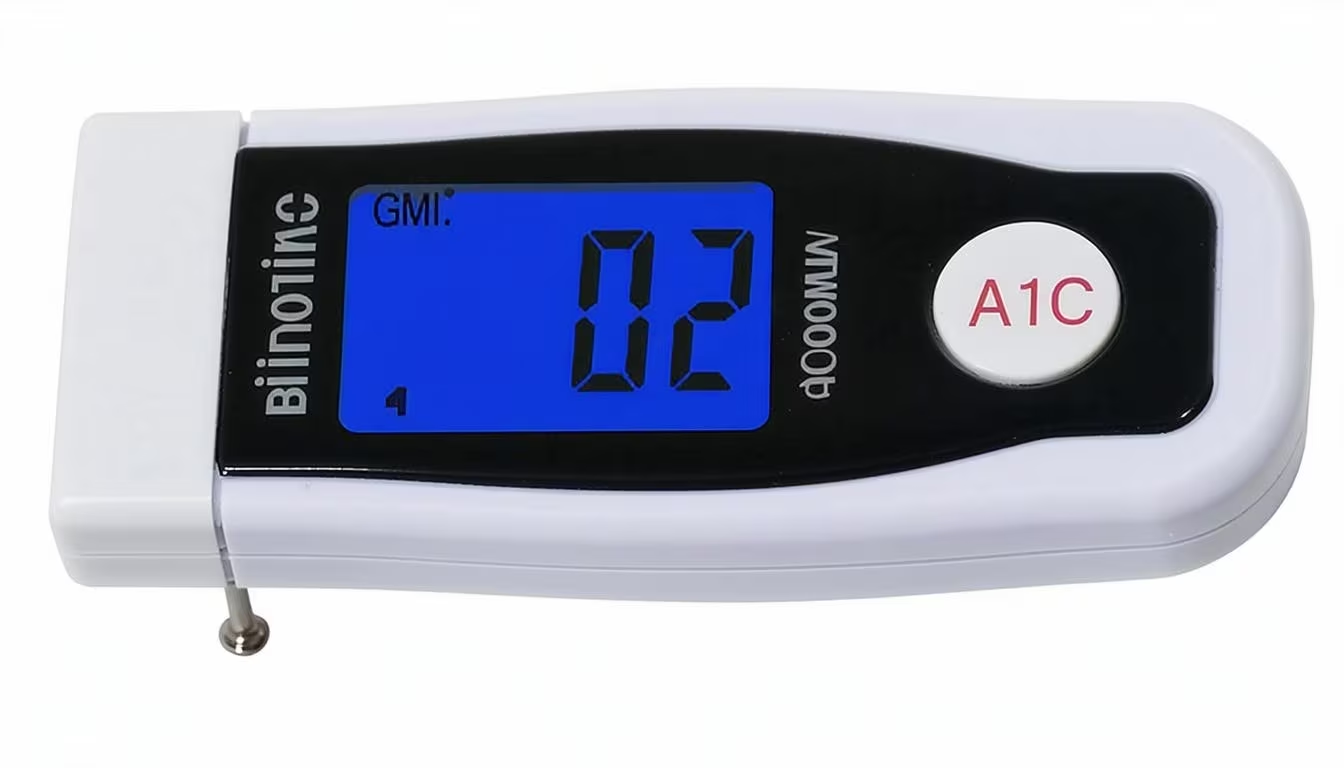
GMI to A1C Calculator for Better Blood Sugar Control
This GMI to A1C calculator provides an educational estimate based on CGM-derived GMI data. It is designed for trend awareness and does not replace a laboratory A1C test.
Use the GMI to A1C Calculator
Instantly convert GMI into estimated average glucose and an estimated A1C using published GMI and ADAG relationships.
Example: GMI 7.2% corresponds to an estimated mean glucose of about 163 mg/dL (9.1 mmol/L) and an estimated A1C of about 7.3%.
What this means
Enter a GMI value to see an estimated A1C category and an estimated average glucose level.
GMI is derived from CGM glucose data, while A1C is a lab measurement based on hemoglobin glycation. They can be close, but they do not always match exactly.
This tool is best used for education and trend awareness, not for diagnosis or treatment decisions.
How to Interpret GMI vs A1C
GMI estimates what your A1C may look like based on CGM glucose data, but it does not replace a laboratory A1C test. Some people see a noticeable gap between GMI and A1C because of differences in red blood cell turnover, CGM wear time, glucose variability, and other biological factors. Use this calculator for education and trend awareness, not diagnosis.
A1C Test Overview
The A1C test gives you a peek into how your glucose has been behaving over the past few months. It checks out the percentage of red blood cells that have sugar-coated hemoglobin. The higher the percentage, the more sugar’s been hanging around in your blood. Usually, you get this test done in a lab, and the results come back as a percentage. Here’s a quick cheat sheet:
| A1C Level (%) | Estimated Average Glucose (mg/dL) |
|---|---|
| 5.7 | 117 |
| 6.0 | 126 |
| 6.5 | 140 |
| 7.0 | 154 |
| 8.0 | 183 |
Introduction to Glucose Management Indicator
Now, let’s chat about the Glucose Management Indicator (GMI). It’s the new kid on the block, taking over from the old “estimated A1C” (eA1C) term. The FDA had a few bones to pick with the old name, so GMI it is. This number comes from a fancy formula that looks at your average glucose levels and matches them up with your A1C results.
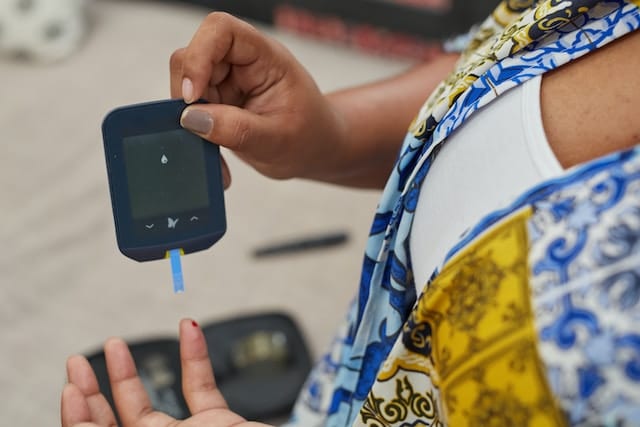
For those of us using continuous glucose monitors (CGM), the GMI is a handy tool. It helps us guess our A1C levels based on the data our CGM devices collect all day long. With a GMI to A1C calculator, we can get a clearer picture of our glucose management and make smarter choices about our diabetes care.
| Mean Glucose (mg/dL) | GMI (%) |
|---|---|
| 120 | 5.9 |
| 140 | 6.7 |
| 160 | 7.3 |
| 180 | 7.9 |
| 200 | 8.5 |
Getting a handle on both the A1C test and the GMI can really help us keep our blood sugar in check and boost our health. By using these tools, we’re better equipped to manage diabetes and hit those health targets we’ve set for ourselves.
Importance of A1C Control
For more A1C insight, read our complete A1C Explained guide.
A1C Targets for Diabetes Management
Keeping an eye on our A1C levels is a big deal when it comes to handling diabetes. The American Diabetes Association (ADA) suggests that most adults with diabetes should aim for an A1C of 7% or lower. But hey, we’re all different, right? So, goals might change depending on things like age, pregnancy, and other health stuff.
| Group | Recommended A1C Target |
|---|---|
| Most Adults with Diabetes | 7% or lower |
| Older Adults | Might be higher, personalized |
| Pregnant Women | Usually lower, personalized |
Benefits of Lowering A1C Levels
Dropping our A1C levels can seriously cut down the chances of running into long-term diabetes troubles. We’re talking nerve issues, eye problems, kidney disease, and heart stuff. By working on our A1C, we’re not just ticking boxes; we’re boosting our health and living our best lives.
| Complication | Risk Reduction with Lower A1C |
|---|---|
| Nerve Problems | Big time |
| Eye Damage | Big time |
| Kidney Disease | Big time |
| Heart Issues | Big time |
Keeping our glucose in check with Time in Range (TIR) is another smart move. A TIR of 70% or more lines up with an A1C of 7% or less. Upping our TIR can mean better results for both A1C and GMI.
By getting a handle on our A1C levels, we’re taking charge of our diabetes management and overall health. It’s all about making those proactive moves for a healthier future.
GMI vs. A1C Accuracy
Comparing GMI and A1C Results
Alright, folks, let’s talk diabetes management. We’re diving into the nitty-gritty of the Glucose Management Indicator (GMI) versus the A1C test. The GMI is like your crystal ball, giving you a sneak peek at what your next A1C might be, all thanks to Continuous Glucose Monitoring (CGM) data. Now, a GMI to A1C calculator is not always spot-on, but most folks find their GMI is within a half-point of their A1C (diaTribe).
| Measurement | Description | Accuracy |
|---|---|---|
| A1C | Measures average blood sugar over the past 2-3 months | Lab-based, might get a little wonky |
| GMI | Estimates A1C using CGM data | Usually within 0.5 percentage points of A1C |
GMI might give a clearer picture of your average sugar levels since it skips the lab drama. This was a lifesaver when getting lab tests was a hassle, like during the COVID-19 chaos.
Factors Influencing GMI and A1C Discrepancies
Now, why do GMI and A1C sometimes tell different stories? Let’s break it down so we can keep our diabetes in check and make smart health choices.
- Red Blood Cell Turnover: A1C measures the sugar-coated hemoglobin in your blood. If your red blood cells are playing musical chairs due to anemia or blood loss, your A1C might be off, but GMI won’t be fazed.
- Lab Interference: A1C can get tangled up in lab errors or testing quirks. GMI, though, is all about that CGM data, dodging those lab hiccups.
- Glucose Variability: If your blood sugar is on a rollercoaster, GMI and A1C might not see eye to eye. GMI gives you the here-and-now, while A1C takes the long view.
- Measurement Period: GMI looks at the last couple of weeks, while A1C checks out the past few months. If you’ve switched up your sugar game recently, expect some differences.
| Factor | Impact on A1C | Impact on GMI |
|---|---|---|
| Red Blood Cell Turnover | Big deal | No sweat |
| Lab Interference | Could happen | Nope |
| Glucose Variability | Somewhat | Shows recent changes |
| Measurement Period | 2-3 months | Last 14 days |
By keeping these factors in mind, we can get a handle on why GMI and A1C might not always match up. Using both can help us fine-tune our sugar management, making our diabetes care top-notch (NCBI).
FAQs About GMI to A1C Calculation
Using GMI for Diabetes Management
Role of GMI in Personalized Care
The Glucose Management Indicator (GMI) is like our personal diabetes coach, helping us fine-tune our care plan. It bridges the gap between Continuous Glucose Monitoring (CGM) and those lab A1C tests, giving us a clearer picture of our blood sugar control. With GMI, we can set realistic A1C targets and tweak our management strategies to fit our lifestyle and health needs (how GMI is interpreted? – Safe GMI levels, source).
GMI is our secret weapon for understanding how our daily routines and treatments impact our blood sugar. By comparing GMI with lab A1C results, we can spot any differences and adjust our game plan. This comparison is key because it helps us stay on top of our glucose management and ensures we’re heading in the right direction.
Enhancing Glucose Management with GMI
GMI, along with other CGM metrics, is like having a GPS for our glucose levels. It gives us a detailed map of our blood sugar trends over time, helping us make smart choices about medication and lifestyle tweaks. This bird’s-eye view ensures our management strategies are spot-on and tailored just for us.
One of the perks of GMI is its practicality, especially during the COVID-19 pandemic when getting lab tests was a hassle. Healthcare providers leaned on GMI, proving its worth when traditional tests were tough to come by.
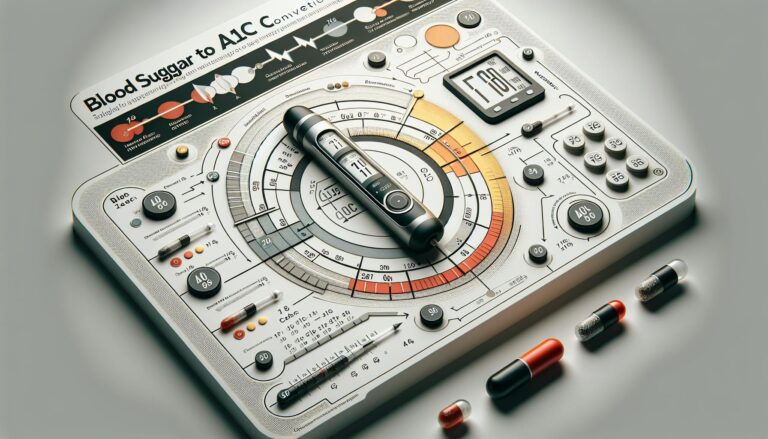
While GMI might not always match the lab A1C perfectly, most folks find their results are within 0.5 percentage points. This close match shows GMI is a trusty tool for estimating A1C levels and might even give a better snapshot of our average glucose since there’s no lab interference. Check out our handy A1C conversion tool for instant results!.
| Metric | Description |
|---|---|
| GMI | Connects CGM metrics to lab A1C |
| A1C | Measures average blood sugar over 2-3 months |
| CGM | Tracks glucose levels in real-time |
By weaving the GMI to A1C calculator into our diabetes routine, we can keep our blood sugar in check and boost our overall health.




I think that you are saying that GMI is best for lowering glucose level
You cite the safe a1c levels, but you don’t cite the safe GMI levels. My GMI was higher than my a1c. Am I safe?
I suppose that I could eat differently and power meditate or something to control insulin or whatever then run another two week glucose monitor. Then I will have a different GMI and see if I’m “big time”. I don’t have a doctor advising me. I had showed my glucose plots and a1c to my PCP and he said that I am not insulin resistant.
So why am I bothering with any of this? Why am I searching on GMI??
Safe GMI levels are cited. Always be sure to consult with your doctor!