
Why the Alzheimers and Diabetes Connection Matters for You
Let’s delve into the crucial Alzheimer’s and diabetes connection and uncover the impact on cognitive health now.
Diabetes-Cognitive Decline Association
Turns out, if you have diabetes, your brain might age faster than you want. Folks with diabetes are more likely to face cognitive decline and are at higher risk for all sorts of dementia, including Alzheimer’s. Some research even says that having diabetes makes you 65% more likely to end up with Alzheimer’s than folks without the condition (NCBI).
| Condition | Increased Risk of Alzheimer’s (%) |
|---|---|
| Diabetes | 65% |
Blood sugar acting all wacky, a.k.a. hyperglycemia, is also bad news for your brain. High blood sugar levels are linked with a greater risk of dementia, affecting both people with and without diabetes (NCBI).
| Blood Glucose Level | Cognitive Decline Risk |
|---|---|
| High | Up Goes the Risk |
| Normal | Less Worry |
Smoking and high blood pressure can make things worse, too. Some studies show that smokers have a whopping 79% higher chance of getting Alzheimer’s. Also, high blood pressure in midlife can jack up the risk of both vascular dementia and Alzheimer’s.
Impact on Neurodegenerative Diseases
Diabetes doesn’t just mess with your sugar levels; it might play a hand in neurodegenerative diseases too. Some researchers think diabetes might even cause Alzheimer’s. Because of molecules and cells that diabetes and Alzheimer’s share, some experts have labeled Alzheimer’s as “type 3 diabetes.”
Insulin is a big deal for your brain. It’s involved in things like forming amyloid plaques and tangled tau proteins, which are bad news in Alzheimer’s.
| Factor | Role in Alzheimer’s |
|---|---|
| Insulin | Makes Amyloid Plaques and Tangled Tau |
| Hyperglycemia | Cognitive Mayhem, Dementia Threat |
The connection between diabetes and Alzheimer’s at the molecular level shows diabetes could play a direct part in Alzheimer’s. This highlights why managing diabetes is crucial—not just for your body but for your brain too.
Getting a grip on how diabetes ties into nasty brain diseases like Alzheimer’s is key for coming up with ways to prevent and treat them. Stay tuned for our section on lifestyle changes and tackling shared pathways to ward off dementia. For more, check out our article on alzheimer’s prevention strategies.
Diabetes and Alzheimer’s Connection
Folks in white coats worldwide are getting a bit jittery about this connection between diabetes and Alzheimer’s. Seems there’s more to the sweet stuff than just messing with your blood sugar – it might be messing with your brain too. Let’s go on a little journey to see the connection and, what having a case of the sugar blues might mean for your brain power.
Increased Incidence of Cognitive Impairment
If you or someone you love is walking through life with diabetes, there’s an extra puzzle piece to be aware of. Those high sugar levels don’t just hang around in the blood; they might be playing jumble with your thoughts, memory, and focus. Just how big a deal is this? Studies say that folks with diabetes are a whopping 65% more likely to welcome Alzheimer’s than those minus the condition.
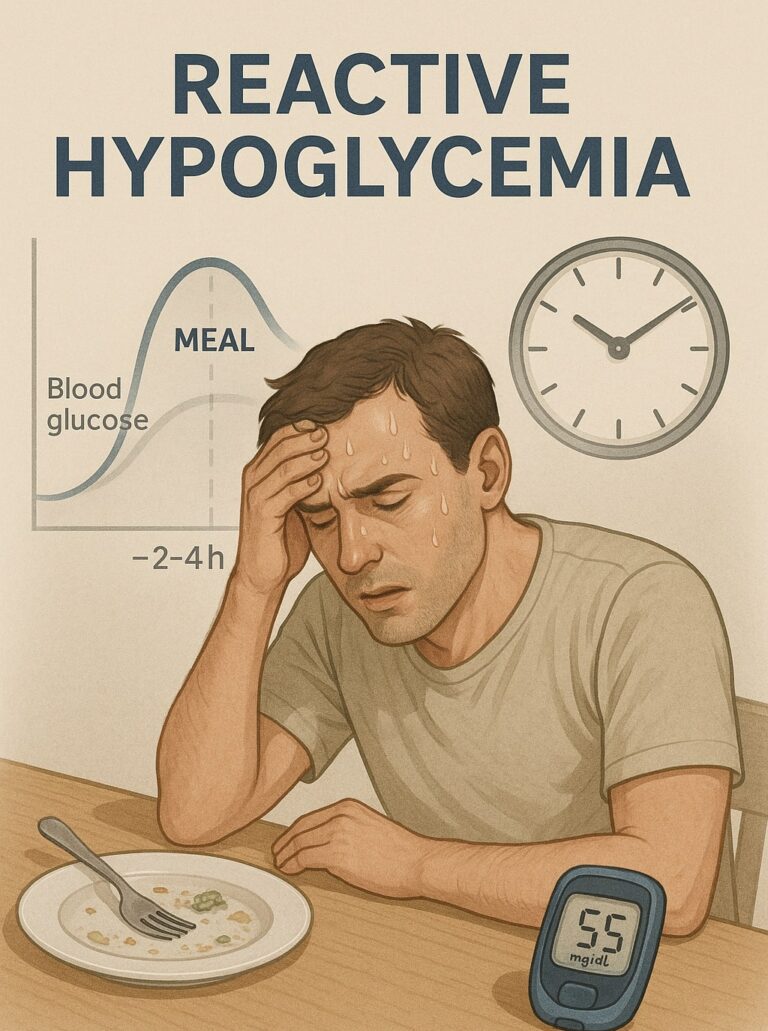
The constant sugar rush – hyperglycemia, they call it – isn’t exactly brain-friendly (NCBI). Tack on those sugar crashes – hypoglycemia episodes – and you might get more than brain fog; you could be looking at brain drain. For older folks with type 2 diabetes, having one too many of these dips could be paving the path right toward dementia.
Higher Risk of Developing Dementia
It’s not just Alzheimer’s you have to worry about; diabetes doesn’t really differentiate. All types of dementia might have a buddy in diabetes. According to research from Wang and friends (PMC), folks with diabetes are seeing Alzheimer’s pop up 1.45 times more often than in those who don’t regularly tango with blood sugar checks.
| Dementia | Risk Multiplier for Diabetes |
|---|---|
| Alzheimer’s | 1.45 times the risk |
| Any Dementia | Skyrocketing |
Why the brain strain? Turns out insulin resistance and deficiency are the mean kids on the block, messing not only with how the body handles sugar but also blocking brain functions like attention and critical thinking (source). There’s also talk about little protein clumps that cozy up in the brain and are all too common in Alzheimer’s – and they’re pretty tight with diabetes, too.
So what’s a body to do? If you’re navigating life with diabetes, keeping an eye on your brain’s well-being could be crucial.
Mechanisms at Play
Digging into how Alzheimer’s and diabetes are linked can help us spot potential fixes for these health troubles. We’ll break down two big connections between these diseases: how insulin affects the brain in Alzheimer’s and how high blood sugar messes with our thinking skills.
Insulin Signaling in Alzheimer’s
Insulin, that sneaky little hormone, isn’t just about sugar control—it’s a key player in how our brain cells chat and protect themselves. Research shows that if insulin signaling goes haywire in the brain, it could lead straight to Alzheimer’s. Problems with insulin (like resistance) can shrink parts of the brain like the hippocampus, especially in folks battling type 2 diabetes.
When our brain’s insulin signals go off course in Alzheimer’s, it can mess up connections between brain cells. Clumps of amyloid-beta (nasty little proteins) can make neurons insulin-resistant, courtesy of TNF-α (that’s Tumor Necrosis Factor-alpha) interfering and gumming up the works (Frontiers in Neuroscience).
Here’s how this insulin chaos can damage the brain:
| Insulin Trouble | Brain Mayhem |
|---|---|
| Insulin Sensitivity Drops | Connections Go Haywire |
| Too Much Insulin | Brain Bits Shrink (like the amygdala) |
| Amyloid-Beta | Brains Become Insulin-resistant |
| TNF-α Interference | Lost Connections, Messed up Brain Adaptability |
Good news? Meds like liraglutide, used for diabetes, might just flip these problems on their heads. Research hints it could fix insulin issues, protect synapses, lower harmful tau proteins, and even boost brain function (Frontiers in Neuroscience).
Hyperglycemia and Cognitive Dysfunction
High blood sugar isn’t just a sugar issue—it’s wrecking your brain too. Chronically sky-high glucose levels can mess with your mind, nudging you towards what’s often dubbed “type 3 diabetes” for its Alzheimer’s-like effects (source).
Out-of-control blood sugar levels disrupt insulin signaling and mess up how the brain handles amyloid-beta—a precursor to plaques seen in Alzheimer’s. This energy imbalance hinders thinking skills and accelerates Alzheimer’s progression.
| Condition | Brain Drain |
|---|---|
| High Blood Sugar | Could Lead to Alzheimer’s |
| Insulin Signal Problems | Less Glucose for Brain, More Neuron Damage |
| Constant High Glucose | Declining Thinking, “Type 3 Diabetes” |
Getting a handle on insulin pathways and understanding how high sugar levels warp brain function provides clues for prevention. Keeping blood sugar in check and boosting insulin sensitivity might be smart moves to avoid Alzheimer’s. To explore more ways to shield your brain, visit our alzheimer’s prevention strategies page.
Insights into how insulin troubles and high sugar levels link Alzheimer’s and diabetes reveal why smart diabetes and Alzheimer’s management can cut risks connected to this tricky health duet.
Preventive Measures
Lifestyle Tweaks
Making simple, everyday changes in your life can seriously cut down the risk of both diabetes and Alzheimer’s. Here are some game-changing strategies:
Eat Right
Eating smart helps in keeping your blood sugar in check and your brain humming. Opt for whole grains, lean proteins, good fats, and a rainbow of fruits and veggies. These choices keep your glucose on an even keel and give your brain the vitamins it needs. Plus, foods loaded with antioxidants can protect your brain cells from wear and tear.
Get Moving
Exercise isn’t just for beach bodies—it’s crucial for your brain, too. Physical activity boosts your body’s sensitivity to insulin and keeps your blood sugar steady. Regular workouts can sharpen your brain and keep cognitive issues at bay. Shoot for at least 150 minutes of moderate exercise or 75 minutes at full throttle weekly.
Stamp Out Smoking
Lighting up is no friend to your head. Smoking hikes up your chances of dementia and Alzheimer’s. But kick the habit, and that risk goes down to nunya. Research says quitters aren’t at increased risk, so there’s no wrong time to stop (Alzheimer’s Drug Discovery Foundation).
Stress Less
Ongoing stress throws your insulin off balance and messes with brain function. Try mindfulness, yoga, or meditation to chill out. These practices can boost your overall feel-good quotient and lessen stress’s toll on your mind and body (managing Alzheimer’s with diabetes).
| What to Do | What’s in it for You |
|---|---|
| Eat Right | Keeps glucose steady, boosts brain power |
| Get Moving | Better insulin action, brain in top shape |
| Stamp Out Smoking | Lowers dementia threat |
| Stress Less | Enhances wellbeing, dulls stress impact on the brain |
Zoning in on Common Pathways
Concentrating on shared pathways between diabetes and Alzheimer’s can pave the way for preventative tips:
Insulin Action
Insulin’s not just about diabetes; it’s key to memory and thinking, too. Insulin resistance, a feature of type 2 diabetes, messes with memory. Boosting insulin action in the brain can bolster cognitive abilities and ward off Alzheimer’s. Check out our take on the neuroprotective perks of insulin.
Sugar Level Watch
Having high blood sugar all the time can mess up your mind. Keeping your blood glucose in check through meds, and smarter lifestyle and diet choices is crucial to dodging Alzheimer’s. Knowing how insulin and brain health tie together is important here.
| What’s Happening | What it Means for You |
|---|---|
| Insulin Action | Boosts mental skills, cuts Alzheimer’s risk |
| Sugar Level Watch | Slashes cognitive troubles, helps avoid Alzheimer’s |
Blending these lifestyle shifts and focusing on the connections between diabetes and Alzheimer’s lets folks take positive action to cut their risks. For more ways to keep Alzheimer’s at bay, visit alzheimer’s prevention strategies.