
Diabetes FAQs – 28 Most Frequently Asked Questions, Answered.
Do you have diabetes? You’re not alone! Diabetes FAQs – 28 Most Frequently Asked Questions, Answered.
Diabetes is a global epidemic, and it affects millions of people around the world. It can be scary to learn that you have diabetes, but don’t worry – we’ve got your back!
We know what it feels like to get this diagnosis, so we want to help make things easier for you by answering all your questions about living with diabetes.
There are many ways in which you can manage your condition successfully and live a healthy life without too much disruption or inconvenience.
With our help, we hope that you will soon start feeling better than ever before!
So let’s get started.
FAQs – Do you have diabetes?


10. Can you eat whatever you want?
It is true that you cannot eat whatever you want, but there are so many delicious foods out there!
Everyone has to start somewhere.
It may take time for your blood sugar levels to stabilise, so do not underestimate the power of small changes.
Here are just a few examples of foods that have a lower glycemic index:
11. Can I drink alcohol?

You can – in moderation!
Alcohol should only be consumed in moderation as excessive intake will increase the sugars in your blood.
Alcohol can also worsen other symptoms such as fatigue and mood swings, so it is best to only drink alcohol occasionally.
Check out the WebMD study on Diabetes and Alcohol.
12. Is it okay to snack in between meals?
Ideally, you should be snacking on healthy options such as fruit and yoghurt instead of chocolate and chips.
13. What foods to avoid with diabetes?
Since you have to watch your carbohydrate intake, this means that most processed or fast foods are out of the question.
It also means monitoring how much sugar is in the food items that you consume.
Examples of high-sugar foods include:
- Regular soda and fruit juice
- Candy, ice cream and pastries/desserts
- Chips and crackers
- Bread, pasta and cereal.
14. Do I need to eat more protein?
You do not necessarily need to increase your protein intake.
Carbohydrates are the most important nutrient that your body needs – this is why it is important to monitor how many carbohydrates you consume every day.
Depending on which type of diabetes you have, your doctor may recommend a slightly different meal plan for you.
15. Can I still do exercise if I have Type-1 diabetes?
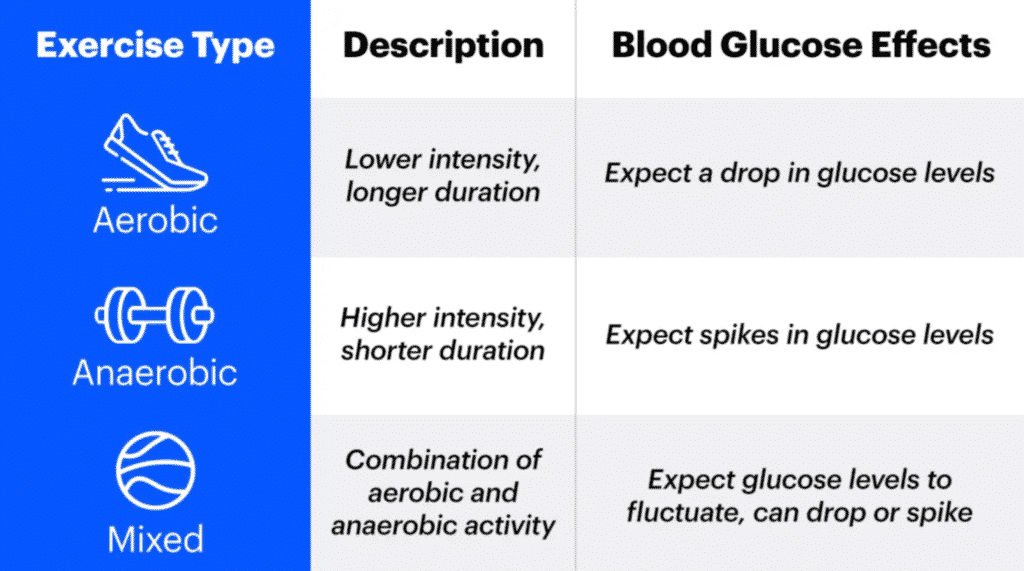
Image source: https://www.jdrf.org/t1d-resources/living-with-t1d/exercise/exercise-impact/
Yes! Exercise is very good for people with Type-1 diabetes as it can help improve blood sugar control and overall physical fitness.
However, you should always consult your doctor first before starting any exercise program as it could be dangerous if done incorrectly.
16. What is the best treatment for diabetes?
The best treatment depends on the type of diabetes that you have and what complications you are experiencing from the condition.
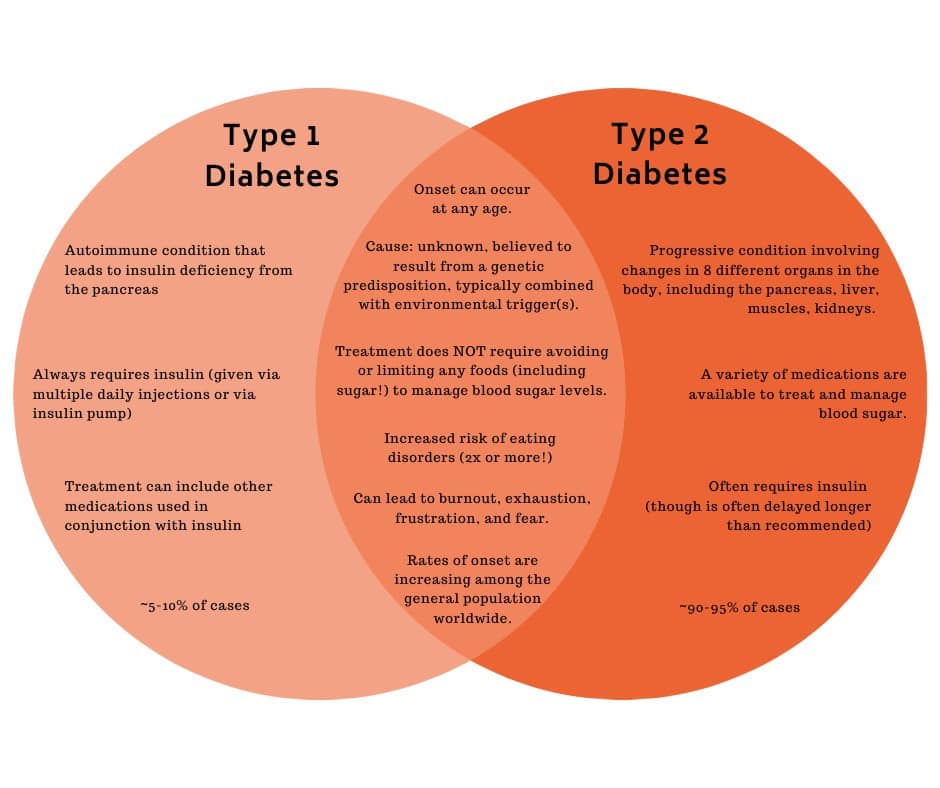
For example, people with type 1 diabetes need to take insulin every day.
Some people with type 2 diabetes can manage their condition through lifestyle changes and medication, but others may require treatment via insulin injections or the use of an insulin pump.
17. I have high blood sugar levels – what should I do?
If you are experiencing frequent high blood sugar readings then you should consult your doctor as soon as possible.
In some cases, high blood sugar levels could be a sign of ketoacidosis – where harmful acids build up in the body due to a lack of insulin.
18. How will diabetes affect my teeth?
For most people, having diabetes has little to no effect on dental health.
However, you are at higher risk of developing tooth decay or gum disease if your blood sugar levels are not well controlled.
19. Why is it important to monitor your blood sugar?
It is very important to keep track of your blood sugar levels as it allows you to monitor your progress towards reaching your target blood sugar range.
It is also important to monitor blood sugar levels regularly if you are pregnant as uncontrolled high or low blood sugar can put both you and the baby at risk.
20. I feel fine – why should I take my medication?
There are several reasons why you should always take your medication regardless of how you are feeling.
Firstly, you need to make sure that any highs or lows in your blood sugar levels do not go on for too long as it could damage the organs in your body such as the heart, kidneys and eyes etc.
Secondly, even if you feel fine now then this may not be the case in the future – especially if complications have arisen due to uncontrolled diabetes.
21. How do I take my medication?
Your diabetic medication will come in different forms including pills, tablets, liquids or injectables.
When you have prescribed your medication, make sure to ask how you should take it to ensure that it is most effective.
22. Are artificial sweeteners OK?
This is best to only use occasionally as some studies have shown that they can interfere with glucose control.
How do I know which medication to use?
Depending on your condition, your doctor may prescribe you either a long term or short term medication.
For example, if you are pregnant with gestational diabetes then you will require insulin injections until after the birth of the baby (long term).
23. I have high blood pressure – can I still follow a low salt diet?
Yes, you can!
Even people with hypertension should try to eat less salt in order to reduce their risk of developing cardiovascular disease further down the track.
24. What type of exercise is best for diabetes?
Although any form of physical activity is good for your condition it is important that you check which activities are right for you before starting.
For example, swimming could be beneficial for someone with type 1 diabetes if they are looking to improve their overall fitness but this may not be suitable for someone who has neuropathy and only experiences mild pain.
25. When should I seek medical attention?
If you experience unexplained weight loss, blurred vision, persistent thirst and urination then you should see your doctor as soon as possible.
These symptoms could be a sign of diabetic ketoacidosis which is a life-threatening complication that people with type 1 diabetes are at higher risk of developing so it is important to seek medical help immediately.
26. Can I have intercourse during diabetes?

Yes, during most stages of the condition, sex is perfectly safe.
There are only certain conditions where patients should seek expert advice before engaging in intercourse such as the history of sexually transmitted diseases (STDs), vaginal infections or if you have sores on their genitals.
27. How do I know when to increase my dose?
This will really depend on the medication that you are taking.
For example, if you are using an insulin pen then it is important to note how many units of insulin are currently being injected.
When this amount increases by more than 50% after a few days or if your blood sugar readings are consistently high throughout the day then it may be a sign that you need to increase your dose.
28. How do I know when to eat?
The best way to tell whether or not you should begin eating is by checking your blood sugar levels.
If they are consistently below 4mml/dl on waking then this could be a sign that your body requires nourishment and it is time to start eating.
Final Thoughts:
Lastly, remember that everyone’s body will react differently to the medications and treatments prescribed and you need to constantly monitor your own condition (and seek professional help) in order to manage your diabetes effectively.
Hope this helps!
Please leave a comment if you have any questions or experiences about diabetes that you would like to share with others!