

Diabetes and Exercise: How to Stay Active and Manage Blood Sugar
Exercise can improve insulin sensitivity, support heart health, help with weight management, and make blood sugar easier to manage. 1 But activity can also cause glucose to rise or fall, especially if you use insulin.2
Quick Answer
Most adults with diabetes should aim for:
- 150 minutes or more of moderate-to-vigorous aerobic activity each week
- Exercise spread over at least 3 days per week
- 2–3 resistance-training sessions per week
- Less prolonged sitting, with regular movement breaks1
Walking, cycling, swimming, strength training, and similar activities can all help.
Key Takeaways
- Exercise can improve insulin sensitivity, blood sugar control, heart health, and overall fitness.
- Moderate aerobic activity often lowers glucose, while high-intensity exercise can sometimes raise it temporarily.
- People who use insulin need to pay closer attention to active insulin, CGM trends, carbohydrates, and delayed hypoglycemia.
- A mix of aerobic exercise and resistance training usually provides broader benefits than relying on one type alone.
- The safest exercise plan depends on your diabetes type, medications, fitness level, glucose patterns, and any diabetes complications.
How Exercise Helps Diabetes
Working muscles use glucose for energy, and regular activity can make the body more sensitive to insulin.
Exercise may help:
- Lower blood glucose
- Improve insulin sensitivity
- Support weight management
- Improve heart health
- Build muscle and strength
- Improve mobility and overall fitness1
For people with type 2 diabetes, regular structured exercise can also improve A1C.1
What Is the Best Exercise for Diabetes?
A combination of aerobic exercise and resistance training generally provides the broadest benefits.1
Aerobic Exercise
Good options include:
- Brisk walking
- Cycling
- Swimming
- Jogging
- Dancing
Aerobic activity often lowers blood sugar because working muscles use more glucose.
Resistance Training
Strength training can improve muscle mass, strength, and insulin sensitivity.
Examples include:
- Weights
- Resistance bands
- Squats
- Lunges
- Push-ups
Most adults with diabetes should aim for resistance exercise 2–3 times per week on nonconsecutive days.1
How Does Exercise Affect Blood Sugar?
Blood sugar does not always respond to exercise the same way.
Moderate activities such as walking or cycling often lower glucose. High-intensity exercise, heavy strength training, or sprinting can sometimes temporarily raise glucose because stress hormones increase glucose release from the liver.2 During harder exercise, lactate and diabetes can also be relevant because lactate production rises as exercise intensity increases.
Your response can also depend on:
- Starting glucose level
- Active insulin
- Exercise intensity
- Exercise duration
- When you last ate
- Your fitness level
Monitoring your glucose can help you learn your individual response.
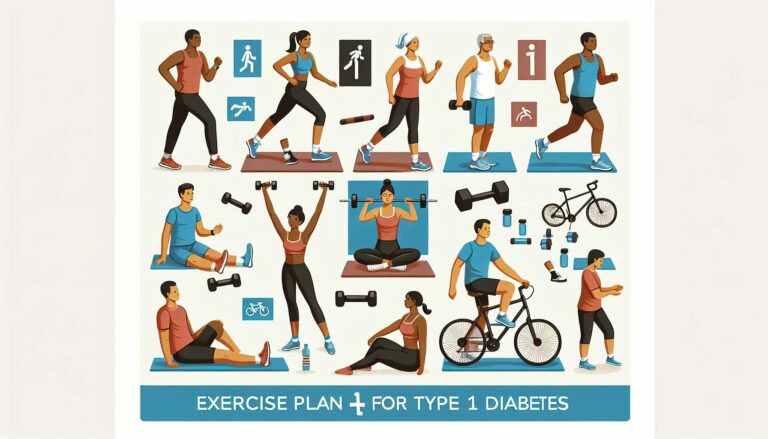
Exercise With Type 1 Diabetes
People with type 1 diabetes need to plan more carefully because exercise can increase the risk of hypoglycemia during activity and for several hours afterward.2
Consider:
- Glucose before exercise
- Active insulin
- Carbohydrate intake
- Insulin pump or dose adjustments
- CGM trends
If glucose is below 90 mg/dL, some people using insulin may need fast-acting carbohydrate before exercise.2
If glucose is 250 mg/dL or higher, checking for ketones may be appropriate. Avoid exercise when moderate or high ketone levels are present.2
Insulin adjustments should be individualized with your diabetes care team.
Exercise With Type 2 Diabetes
Exercise can be especially helpful for type 2 diabetes because it improves insulin sensitivity.
Combining aerobic activity with resistance training may provide greater benefits than relying on either type alone.1
People who use insulin or medications that can cause hypoglycemia may need to monitor glucose more closely around exercise.
Can Walking After Meals Help?
Yes. Walking and other moderate physical activity can help reduce post-meal glucose by increasing glucose use in working muscles.1
Even a short walk can be a practical way to add more movement to your day.
How to Prevent Low Blood Sugar During Exercise
If you use insulin or medications that can cause hypoglycemia:
- Check glucose before unfamiliar or prolonged exercise
- Carry fast-acting glucose
- Watch CGM trends
- Consider how much active insulin you have
- Recheck glucose after exercise
- Remember that delayed lows can occur hours later2
When Should You Be Careful With Exercise?
Talk with your healthcare professional before starting strenuous exercise if you have significant diabetes complications or cardiovascular symptoms.
Extra precautions may be needed with:
- Severe diabetic retinopathy
- Neuropathy
- Foot ulcers
- Kidney disease
- Heart disease2
Stop exercising and seek medical care for chest pain, fainting, severe shortness of breath, confusion, or severe hypoglycemia.
How to Start
You do not need an intense workout program.
A simple approach is to:
- Walk for 10–15 minutes after a meal.
- Gradually increase your duration or pace.
- Add resistance training twice per week.
- Monitor how your glucose responds.
- Work toward about 150 minutes of activity per week.1
Consistency matters more than trying to follow a perfect workout routine.
Frequently Asked Questions
References
- American Diabetes Association Professional Practice Committee. “5. Facilitating Positive Health Behaviors and Well-being to Improve Health Outcomes: Standards of Care in Diabetes—2026.” Diabetes Care. 2026;49(Suppl 1). [↩] [↩] [↩] [↩] [↩] [↩] [↩] [↩] [↩] [↩] [↩] [↩]
- Colberg SR, Sigal RJ, Yardley JE, et al. “Physical Activity/Exercise and Diabetes: A Position Statement of the American Diabetes Association.” Diabetes Care. 2016;39(11):2065–2079. [↩] [↩] [↩] [↩] [↩] [↩] [↩] [↩] [↩]






Like and sher