
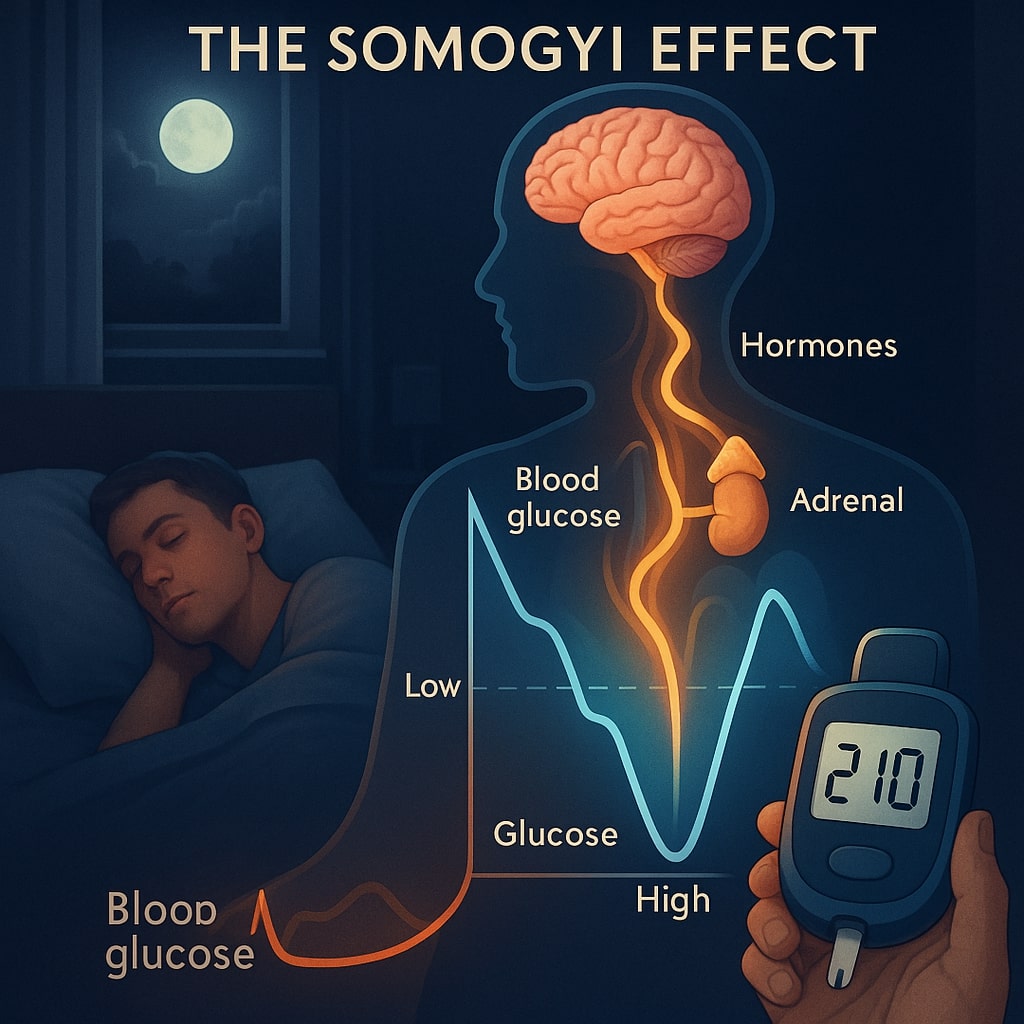
The Somogyi Effect: Symptoms and Solutions for Diabetes
If you’ve ever woken up to a surprisingly high blood sugar reading after what seemed like a normal night’s rest, you might be encountering the Somogyi effect. Named after Dr. Michael Somogyi in the 1930s, this effect describes a rebound rise in blood glucose triggered by an overnight low. It typically shows up in people with diabetes who use insulin. In this guide, you’ll learn how it works, how to recognize its telltale signs, and what you can do to keep your morning numbers on track.
What Is The Somogyi Effect?
Simply put, the Somogyi effect occurs when your blood sugar dips too low while you sleep. Your body, sensing the crisis, releases hormones to raise your glucose back up. By morning, you could see levels higher than normal on your glucometer. While once considered a common reason for morning highs, some modern studies dispute how often it truly happens. Still, it’s worth knowing about, especially if you notice your readings keep spiking without an obvious reason.
The Science Behind Overnight Highs
Your body has a built-in emergency response system. When blood sugar falls too far, hormones like cortisol, glucagon, and growth hormone signal the liver to release stored glucose. This internal sugar dump helps if you’re at risk of going dangerously low. However, if your insulin dosage or timing is off, that overnight low might swing you up into hyperglycemia. Resources like the American Diabetes Association and Cleveland Clinic point out that tracking movement from bedtime to wake-up can help you see if that dip-rise pattern is occurring.
Differences From Dawn Phenomenon
It’s easy to confuse the Somogyi effect with the dawn phenomenon, another cause of high morning blood sugar. The dawn phenomenon usually shows up thanks to normal hormonal surges that happen near sunrise and isn’t triggered by an overnight low. Here’s a quick comparison:
| Factor | Somogyi Effect | Dawn Phenomenon |
|---|---|---|
| Primary Trigger | Overnight hypoglycemia (low BG) | Morning hormone surge (no overnight low) |
| Typical Blood Sugar Trend | Drops, then spikes by morning | Gradual rise in early hours |
| Commonality | Debated, less frequent | More common in diabetes care |
If you’re uncertain which phenomenon you’re dealing with, taking readings around 2 or 3 a.m. can offer a clue. If you detect a big low, then a rebound, it points toward the Somogyi effect. If levels stay steady or only slightly dip before climbing, dawn phenomenon is more likely.
How To Spot The Somogyi Effect
You’ll want to keep track of your blood sugar at bedtime, overnight, and upon waking. Consistent patterns can reveal a hidden drop. Watch for:
- Low readings or symptoms (shakiness, sweating) during the night.
- Suddenly high fasting measurements in the morning.
- Unusual spikes that don’t respond to small insulin adjustments.
- Signs of morning hyperglycemia, such as intense thirst.
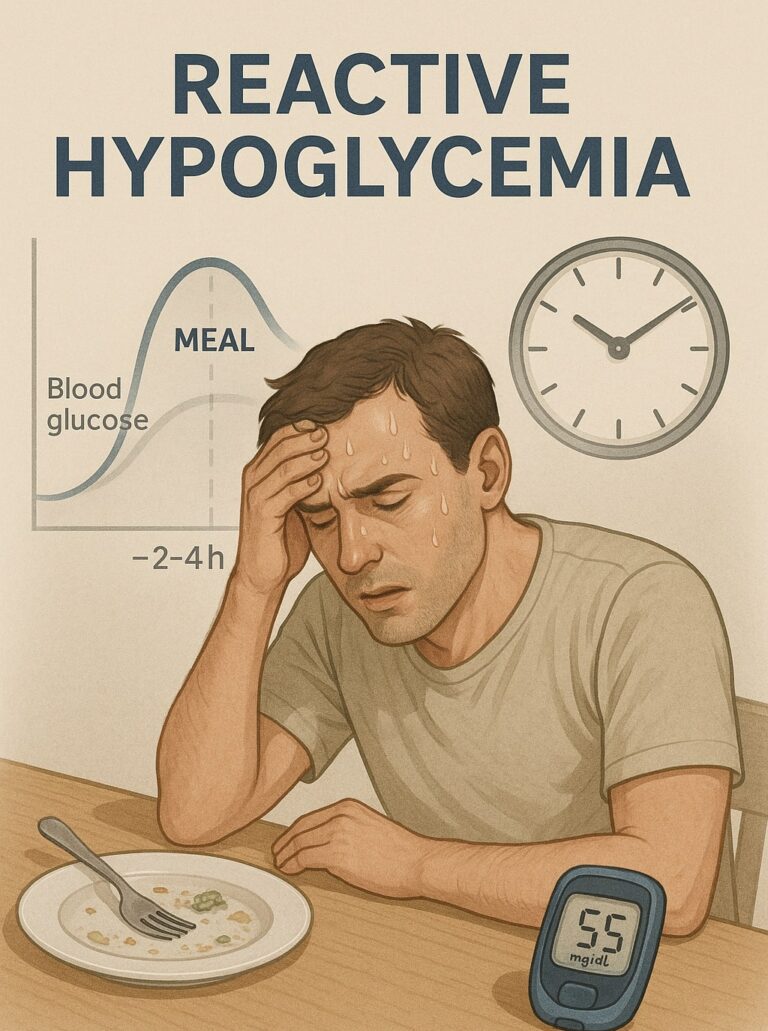
If your routine includes checking other diabetes-related symptoms, you might also look into conditions like reactive hypoglycemia or polyphagia. These can complicate how your body responds to glucose swings.
Strategies To Address It
Once you suspect the Somogyi effect, talk to your healthcare provider about tweaking your insulin regimen or bedtime routine. Common strategies include:
1. Adjust Your Evening Insulin
- Your doctor may recommend reducing your long-acting insulin dose or changing your injection time.
2. Modify Your Nighttime Snacks
- If you usually skip a bedtime snack, adding a small protein-carb combo might prevent overnight lows.
- If you already snack but go high, you might need fewer carbs or earlier timing.
3. Consider Continuous Glucose Monitoring (CGM)
- A CGM device gives real-time data, helping you confirm if your blood sugar drops and then rebounds later.
4. Revisit Your Exercise Schedule
- Exercising too close to bedtime can amplify nighttime lows. Consider moving intense workouts earlier in the day.
5. Explore Different Insulin Types
- Your provider might switch you to a basal insulin with a different peak time or discuss pump therapy for more precise control.
If you’re in a special diabetes category, like living with LADA diabetes, these adjustments can be particularly helpful. Around-the-clock glucose tracking will guide you and your medical team in fine-tuning an approach that fits your unique metabolism.
Summaries And Next Steps
Ultimately, the Somogyi effect is about balance. Going low overnight can push you too high by morning, so your chief goal is avoiding that initial dip. Stay in close communication with your healthcare team. They can help you refine your insulin doses, try alternative therapies, and navigate lifestyle tweaks. Regularly reviewing your morning readings alongside nighttime checks is an effective way to catch patterns early. And remember, if persistent or unexplained highs continue, circle back to your doctor to see if other factors are at play.
Frequently Asked Questions (FAQs)
Below you’ll find answers to frequently asked questions people often have about the Somogyi effect and morning blood sugar swings. Since we’re all different, work with your healthcare provider before making major changes.
Keeping your blood sugar steady is a balancing act that takes time and careful observation. By tracking patterns, making cautious tweaks to your bedtime routine, and consulting your care team, you can take real steps to tackle problems like morning highs, whether they stem from the Somogyi effect or other causes. If you want to learn more about unusual eating patterns or persistent hunger, you might also explore hyperphagia, another diabetes-related topic. Above all, staying informed and proactive can help you maintain better control over your daily glucose levels.





Leave a Reply