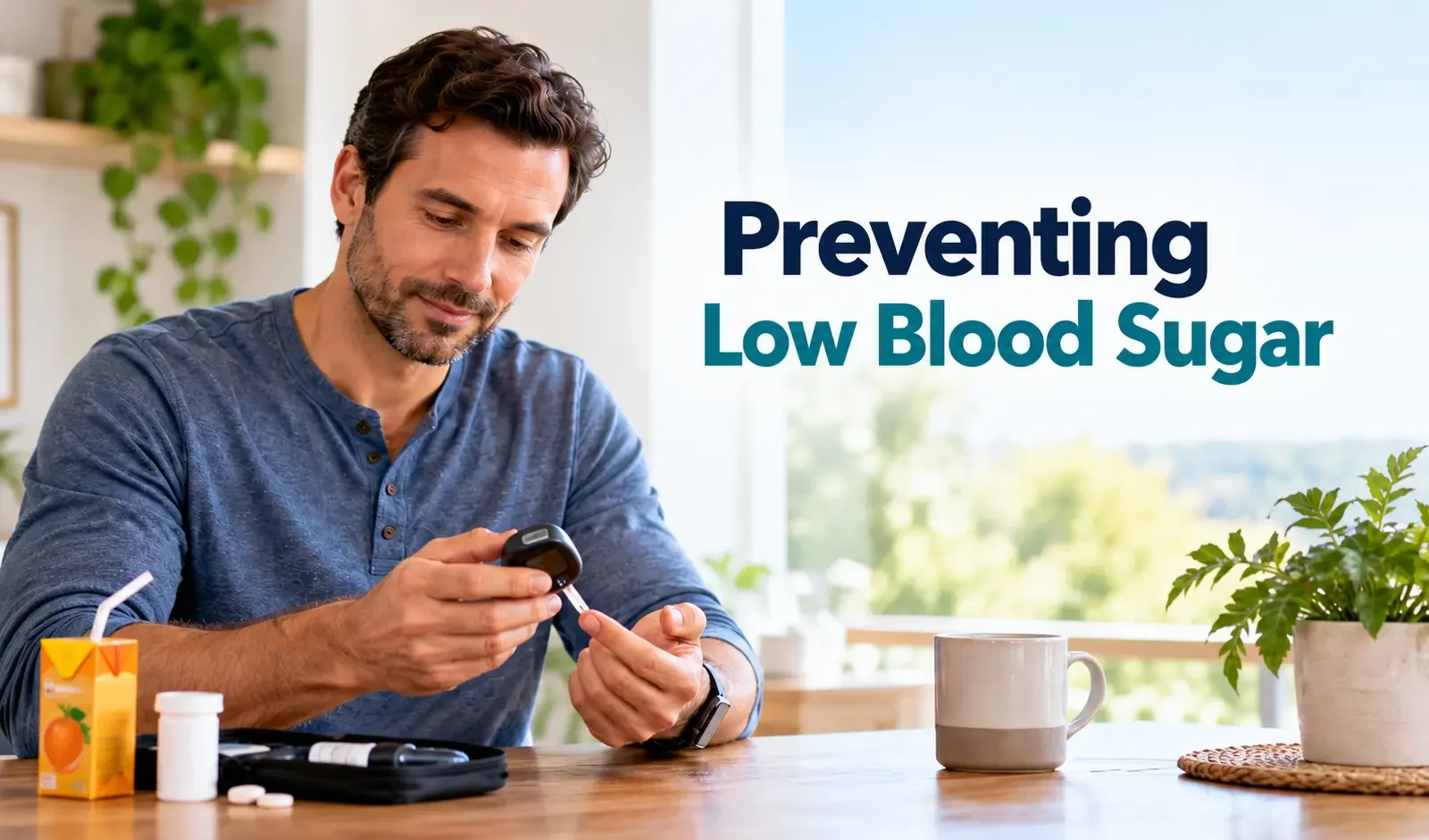
Preventing Low Blood Sugar in Type 1 Diabetes
People that are newly diagnosed with type 1 diabetes need to know the importance of preventing low blood sugar.
Quick Answer
Preventing low blood sugar in type 1 diabetes involves monitoring glucose regularly, matching insulin with food and activity, and recognizing downward glucose trends early. A continuous glucose monitor (CGM) can provide additional protection through low-glucose alerts. Prevention strategies should be personalized with your diabetes care team. 1
Key Takeaways
- Check glucose before meals, exercise, driving, and bedtime when appropriate.
- Use CGM alerts to recognize falling glucose before it becomes dangerously low.
- Avoid missed meals or unexpected changes in carbohydrate intake when insulin is active.
- Carry fast-acting carbohydrates and have emergency glucagon available.
- Discuss recurring lows with your diabetes care team to review insulin doses and patterns.1
Prevent Low Blood Sugar (Hypoglycemia) in Type 1 Diabetes
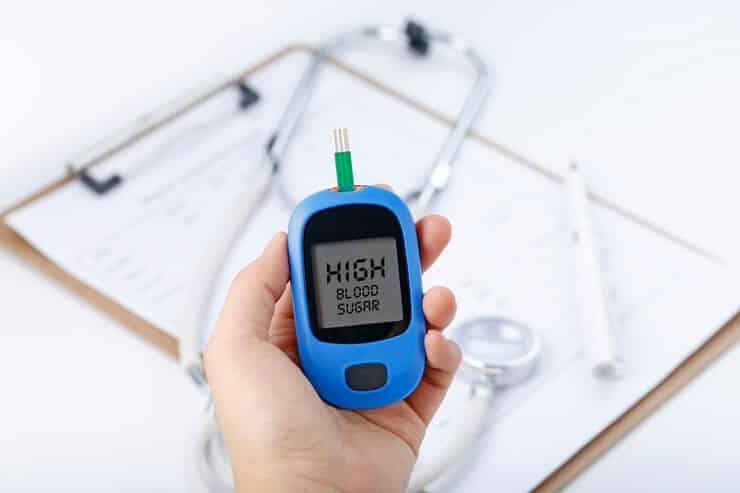
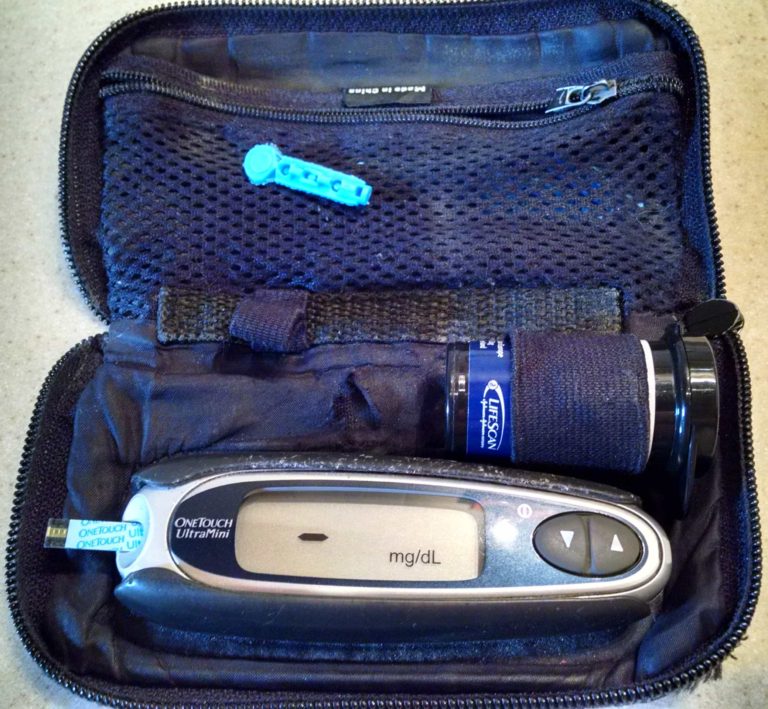
There are many ways to prevent low blood sugar (hypoglycemia) in type 1 diabetes. The most effective way for me is to check your sugar with a glucometer (finger prick) often (4-8 times/day). This reflects my experience with fingerstick testing. Today, many people with type 1 diabetes use continuous glucose monitors (CGMs) to track glucose throughout the day. However, fingerstick testing remains important when symptoms do not match CGM readings or a sensor reading needs confirmation.
I always try to check myself before eating and a few hours after. I also test myself before I exercise or play sports and make sure my sugar level is above 120 mg/dL and carry candies or a sweet drink with me just in case my sugar drops. This is my personal approach, not a universal exercise glucose target. Safe starting glucose levels vary depending on the activity, insulin on board, and glucose trends. People with type 1 diabetes should follow an individualized exercise plan developed with their diabetes care team.
It’s also good to check yourself during these activities if you can. Testing before bedtime is always necessary to prevent lows while you’re sleeping. If your level is close to 70 mg/dL before bedtime you should eat a snack (granola bar, fruit, cookies). A glucose reading below 70 mg/dL requires prompt treatment with fast-acting carbohydrates rather than relying on a routine bedtime snack. Bedtime snacks and insulin adjustments should be individualized to reduce overnight hypoglycemia risk.
Preventing Low Blood Sugar With Insulin
People who use syringes to administer insulin need to monitor their blood glucose level much more closer. This includes always eating your meals and snacks during your daily regimen and testing your sugar multiple times a day. If you’re using an insulin pump it can be a bit easier for you because your in more control of your diabetes, by having the device hooked up to you at all times and being able to suspend your insulin delivery (check with your pump educator first).
For me the pump has been a huge deal in stopping my sugars from falling too low but I understand it’s not for everyone, but maybe look into it for in depth insulin pump info. Hope these tips help!
How CGMs Help Prevent Low Blood Sugar
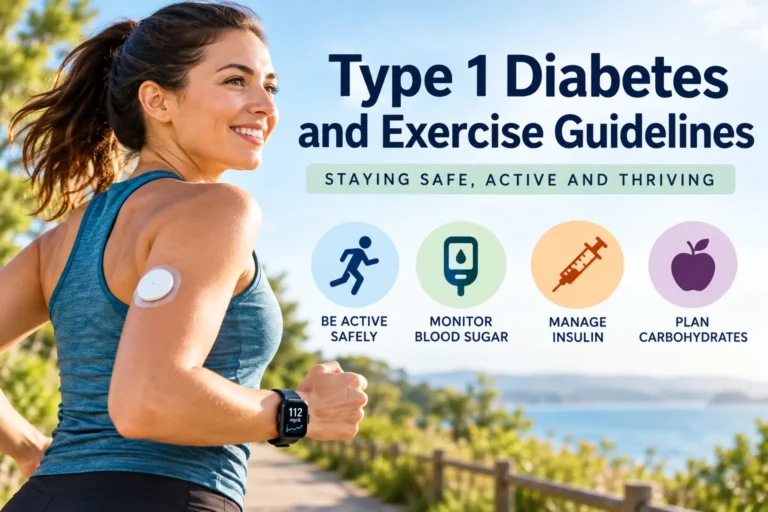
Continuous glucose monitors (CGMs) provide glucose readings and trends throughout the day and night. Alerts can warn users when glucose is falling, allowing earlier action. For a comparison of available devices, see our Best CGMs Guide.
However, CGMs do not eliminate hypoglycemia. A fingerstick meter remains important when symptoms do not match sensor readings or when a reading needs confirmation.2
Preventing Low Blood Sugar Overnight
Nighttime hypoglycemia can occur after exercise, excess insulin, or missed carbohydrates. Checking glucose before bed and using CGM alerts can help reduce the risk.
Bedtime snacks or insulin adjustments may be appropriate in certain situations, but they should follow an individualized diabetes management plan.3
When to Review Your Diabetes Management Plan
Frequent readings below 70 mg/dL may indicate that your insulin regimen, meal timing, or activity plan needs adjustment.
Discuss recurring or severe lows with your diabetes care team. Keep emergency glucagon accessible and ensure someone close to you knows how to use it.1
Frequently Asked Questions
References
- American Diabetes Association. Glycemic Goals, Hypoglycemia, and Hyperglycemic Crises: Standards of Care in Diabetes—2026. [↩] [↩] [↩] [↩]
- American Diabetes Association. Diabetes Technology: Standards of Care in Diabetes—2026. [↩]
- Centers for Disease Control and Prevention. Low Blood Sugar (Hypoglycemia). May 16, 2024. [↩]
- Centers for Disease Control and Prevention. Treatment of Low Blood Sugar (Hypoglycemia). May 15, 2024. [↩]