Insulin Stacking: What It Is, Risks, and How to Avoid It
Insulin stacking happens when insulin doses overlap without accounting for insulin still working in your body. This can cause blood sugar to drop dangerously low, even after an initially high reading.
Understanding active insulin and proper correction timing can help reduce hypoglycemia risk.
Quick Answer
Insulin stacking occurs when additional insulin is given before an earlier dose has finished working, without accounting for its remaining effect. It commonly involves repeated rapid-acting insulin corrections and increases the risk of hypoglycemia. Tracking insulin on board (IOB) and following an individualized correction plan can help prevent it. 1
Key Takeaways
- Insulin stacking can cause unexpected or severe hypoglycemia.
- Rapid-acting insulin continues working for several hours.
- Repeated corrections can increase low blood sugar risk.
- Insulin on board (IOB) estimates how much bolus insulin remains active.
- Prevention requires accounting for active insulin and following your prescribed dosing plan.
What Is Insulin Stacking?
Insulin stacking occurs when additional insulin is delivered while a previous dose remains active, without properly accounting for its glucose-lowering effect.
For example, blood sugar may remain high two hours after eating. Taking another full correction dose without considering earlier insulin can cause glucose to fall excessively as both doses continue working.
However, overlapping insulin doses are not automatically unsafe. Properly calculated mealtime doses may overlap when active insulin is accounted for.
How Long Does Rapid-Acting Insulin Stay Active?
Conventional rapid-acting insulin analogs generally work for approximately three to five hours, although timing varies by insulin formulation, dose, and individual response.
| Insulin activity | Approximate timing |
|---|---|
| Onset | 10–20 minutes |
| Peak effect | 1–3 hours |
| Duration | 3–5 hours |
These are estimates, not instructions for timing additional doses. Ultra-rapid formulations and other insulin types may have different action profiles.
Because insulin continues working for hours, glucose may fall even when an earlier reading remains elevated.2
Why Does Insulin Stacking Cause Hypoglycemia?
Overlapping insulin activity can lower glucose more than intended.
Common contributing factors include:
- Correcting too soon: Giving another correction before earlier insulin has finished working.
- Ignoring active insulin: Overlooking insulin already delivered.
- Reacting to CGM readings: Repeatedly correcting glucose before earlier insulin has taken full effect.
- Exercise: Physical activity can increase hypoglycemia risk while insulin remains active.
- Incorrect calculations: Using an inappropriate correction factor or overlooking previous doses.
Insulin stacking is particularly concerning because excess insulin can cause clinically significant hypoglycemia, which may impair thinking and coordination and, in severe cases, lead to seizures or loss of consciousness.3
What Is Insulin on Board (IOB)?
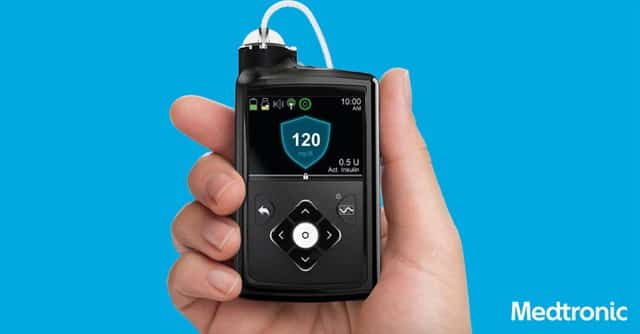
Insulin on board estimates the amount of previously delivered bolus insulin that remains active.
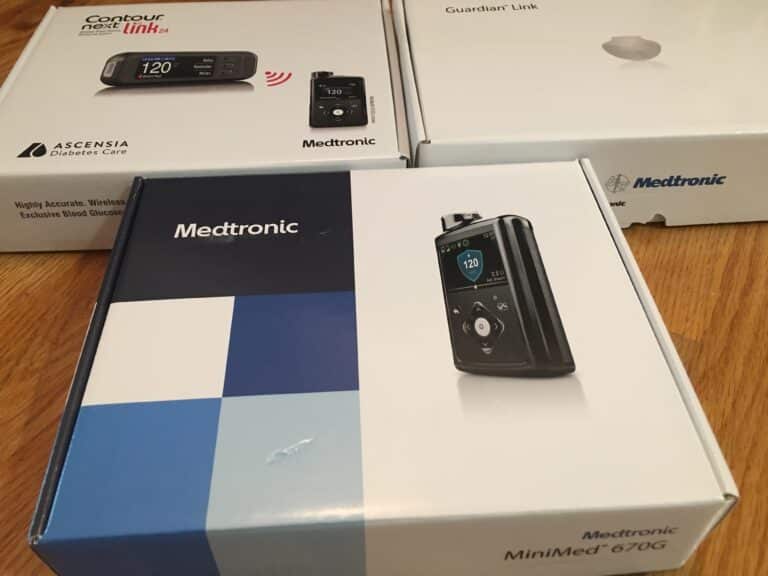
Many insulin pumps and smart insulin pens use IOB calculations to help reduce overlapping correction doses.
However, IOB is an estimate, not a direct measurement of insulin in the bloodstream. Its accuracy depends on device settings and recorded insulin delivery.
How to Avoid Insulin Stacking
1. Allow Correction Insulin Time to Work
Avoid repeating correction doses simply because glucose has not returned to target quickly.
The ADA generally advises waiting at least four to five hours between additional rapid-acting insulin correction doses to reduce stacking risk. This is not a universal rule for mealtime insulin, pump algorithms, or individualized treatment plans.1
2. Check Insulin on Board
If your pump or smart pen displays IOB, review it before considering another correction.
Follow your prescribed insulin-action settings and dosing instructions.
3. Understand Your Correction Factor
Your correction factor estimates how much one unit of insulin may lower your blood glucose.
An inaccurate correction factor can increase hypoglycemia risk, especially when active insulin is overlooked.
Learn more in our insulin correction factor guide.
4. Monitor Glucose Trends
CGMs help identify rising, stable, and falling glucose patterns, but readings can lag behind blood glucose during rapid changes.
If a reading seems unreliable, confirm it when appropriate. See our guide to CGM vs. fingerstick readings.
If glucose remains high, particularly during illness or suspected pump failure, follow your prescribed hyperglycemia and ketone-testing plan rather than assuming more insulin is immediately needed or simply waiting for insulin to wear off.
5. Review Repeated Lows
Frequent hypoglycemia after correction doses warrants a review of insulin sensitivity, correction timing, insulin-action settings, and physical activity with your diabetes care team.
What If Insulin Stacking Causes Low Blood Sugar?
Blood glucose below 70 mg/dL (3.9 mmol/L) is considered hypoglycemia.
For many adults who are awake and able to swallow safely, the CDC recommends the 15-15 rule:
- Consume 15 grams of fast-acting carbohydrates.
- Wait 15 minutes.
- Recheck glucose and repeat treatment if it remains below 70 mg/dL.
Individual treatment plans may differ, especially for automated insulin delivery users.
Severe hypoglycemia: If someone is unconscious, having a seizure, or unable to swallow safely, do not give anything by mouth. Administer glucagon if available and call emergency services.4
For additional guidance, review our hypoglycemia symptoms resource.
My Experience With Insulin Stacking
I’ve lived with type 1 diabetes since 1998, and I’ve experienced hypoglycemia caused by insulin stacking since I started taking insulin.
These episodes have taught me the importance of considering insulin that may still be active before taking another dose.
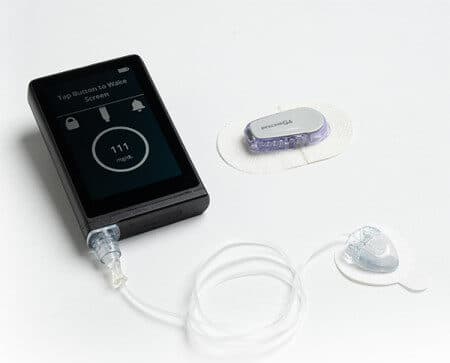
Today, I use an insulin pump and the Dexcom G7 to monitor my glucose levels and trends. While these tools provide valuable information, understanding insulin action remains essential.
My biggest takeaway: A high glucose reading doesn’t always mean more insulin is immediately needed.
Insulin Stacking: Frequently Asked Questions
Final Thoughts
Insulin stacking increases hypoglycemia risk when additional insulin is given without accounting for insulin still working in the body.
Tracking active insulin, understanding correction timing, and following individualized dosing instructions can help prevent unexpected lows.

References
- American Diabetes Association. Preventing Hypoglycemia and Mitigating Its Risks. 2026. [↩] [↩]
- American Diabetes Association. Pharmacologic Approaches to Glycemic Treatment: Standards of Care in Diabetes—2026. Diabetes Care. 2026. [↩]
- American Diabetes Association. 6. Glycemic Goals, Hypoglycemia, and Hyperglycemic Crises: Standards of Care in Diabetes—2026. Diabetes Care. 2026. [↩]
- Centers for Disease Control and Prevention. Treatment of Low Blood Sugar (Hypoglycemia). May 15, 2024. [↩]