
Natural Alternatives to Manage Diabetes Symptoms
Managing diabetes symptoms requires a combination of medical treatment, lifestyle adjustments, and long-term blood sugar monitoring. Many people also explore natural alternatives to manage diabetes symptoms, including diet improvements, physical activity, stress reduction, and certain herbal supplements.
While natural approaches may support overall metabolic health, they should complement—not replace—professional medical care. When used responsibly and under medical guidance, natural strategies can help people better manage blood sugar levels and improve quality of life. Managing diabetes symptoms requires consistent monitoring of long-term blood sugar trends.
Many people track their glucose levels using tools like an A1C calculator, which converts hemoglobin A1C into estimated average glucose and helps interpret long-term blood sugar control over the past 2–3 months.
Understanding Diabetes and Its Symptoms
Diabetes is a chronic metabolic condition that occurs when the body cannot properly regulate blood glucose due to insufficient insulin production or insulin resistance.
Common symptoms of diabetes include:
- Increased thirst (polydipsia)
- Frequent urination (polyuria)
- Fatigue
- Unexplained weight loss
- Blurred vision
- Slow-healing wounds
According to the American Diabetes Association, maintaining stable glucose levels is essential to reduce the risk of complications such as nerve damage, kidney disease, and cardiovascular problems
Effective management usually includes blood sugar monitoring, medication or insulin therapy, healthy nutrition, and physical activity.
Natural Remedies for Diabetes Symptoms
Many people look for natural remedies for diabetes symptoms to help support blood sugar control alongside medical treatment.
1. Nutrition and Balanced Diet
Diet is one of the most important natural tools for managing diabetes.
Research shows that diets rich in fiber, vegetables, whole grains, and lean protein can help stabilize blood sugar and improve metabolic health.
People reducing carbohydrate intake may also use tools like the Keto Diet Calculator to estimate ideal macronutrient ratios.
Examples of beneficial foods include:
- Leafy greens like spinach and kale
- Whole grains such as oats and quinoa
- Legumes and beans
- Nuts and seeds
- Fatty fish like salmon
High-fiber foods slow glucose absorption and may improve insulin sensitivity according to the National Institute of Diabetes and Digestive and Kidney Diseases (NIDDK).
2. Regular Physical Activity
Exercise is a powerful natural strategy for controlling blood sugar levels.
Regular physical activity can:
- Improve insulin sensitivity
- Lower blood glucose levels
- Support cardiovascular health
- Increase energy levels
The Centers for Disease Control and Prevention (CDC) recommends that adults with diabetes aim for at least 150 minutes of moderate physical activity per week.
Activities such as walking, cycling, swimming, yoga, and resistance training can all help improve glucose regulation.
3. Herbal Supplements Being Studied
Several herbal supplements are being studied for their potential impact on blood sugar levels.
Cinnamon
Some studies suggest cinnamon may improve insulin sensitivity and reduce fasting blood glucose levels.
Fenugreek
Fenugreek seeds contain soluble fiber that may slow carbohydrate absorption and improve glucose metabolism.
Bitter Melon
Bitter melon contains compounds that may mimic insulin activity and help regulate blood sugar.
The National Center for Complementary and Integrative Health notes that while some supplements show promise, evidence is still limited and results vary between individuals
People with diabetes should always consult a healthcare provider before using herbal supplements, as they may interact with medications.
4. Stress Management
Chronic stress can increase cortisol levels, which may raise blood sugar levels and worsen insulin resistance.
Stress-management techniques that may help include:
- Meditation
- Yoga
- Deep breathing exercises
- Mindfulness practices
Research discussed by Harvard Health Publishing explains that stress hormones can influence blood glucose control and diabetes management.
Reducing stress may therefore support better metabolic balance.
Kratom and Diabetes: What Current Evidence Shows
Kratom (Mitragyna speciosa) is a plant native to Southeast Asia that has gained attention for potential pain-relief and mood-enhancing effects.
Some individuals explore kratom for symptoms related to diabetes, such as neuropathic pain or fatigue. However, there is currently no reliable scientific evidence showing that kratom can treat or manage diabetes.
Kratom contains alkaloids such as mitragynine and 7-hydroxymitragynine, which interact with opioid receptors in the brain and may affect pain perception and mood.
The U.S. Food and Drug Administration (FDA) warns that kratom has not been approved for medical use and may pose risks including dependence, side effects, and drug interactions
Anyone considering kratom should consult a healthcare professional before use, especially individuals with chronic conditions like diabetes.
Additional Natural Strategies for Diabetes Management
Monitor Blood Sugar Regularly
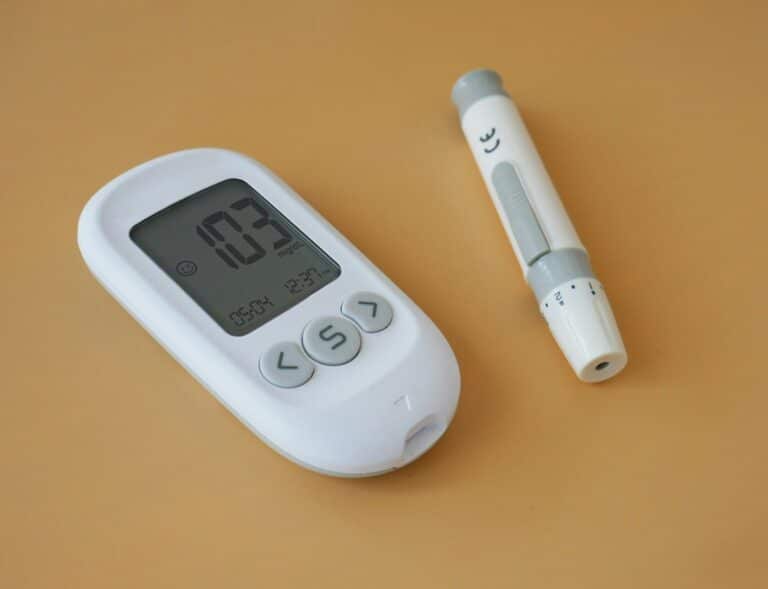
Frequent glucose monitoring helps detect trends and allows adjustments to diet, activity, or medication.
Stay Properly Hydrated
Adequate hydration helps regulate blood sugar and supports overall metabolic function.
Prioritize Quality Sleep
Poor sleep has been linked to increased insulin resistance and blood sugar fluctuations.
Maintain Routine Medical Care
Regular checkups help detect complications early and ensure treatments remain effective.
A Balanced Approach to Managing Diabetes
The most effective approach to diabetes management combines medical treatment with healthy lifestyle habits.
Natural strategies such as balanced nutrition, regular exercise, stress reduction, and quality sleep can support blood sugar control when used alongside professional care.
Before trying supplements or alternative therapies, individuals with diabetes should always consult healthcare professionals to ensure safety and avoid potential medication interactions.
With proper guidance and a balanced approach, many people can successfully manage diabetes symptoms while improving long-term health.