

What Are Normal Blood Sugar Levels? Find Out Here!
If you have ever wondered about normal blood sugar levels, you are not alone. Understanding these numbers can help you detect early warning signs, prevent complications, and maintain overall metabolic health.
Blood sugar (glucose) levels fluctuate throughout the day depending on meals, activity, stress, and sleep. However, medical organizations such as the American Diabetes Association (ADA) provide standard target ranges to help identify healthy levels, prediabetes, and diabetes. 1
Knowing these ranges allows you to better track your health and recognize when your blood glucose may require attention.
Know Normal Blood Sugar Levels
Glucose is the body’s main energy source. After eating carbohydrates, your digestive system converts them into glucose, which enters the bloodstream. The hormone insulin, produced by the pancreas, helps move glucose into cells where it can be used for energy. 2
In people without diabetes, blood sugar is tightly regulated. However, when insulin production or insulin sensitivity is impaired, blood sugar can rise above normal levels.
According to the American Diabetes Association, these are the general diagnostic ranges for blood glucose. 3
| Measurement | Normal (No Diabetes) | Prediabetes | Diabetes |
|---|---|---|---|
| Fasting (mg/dL) | < 100 | 100–125 | ≥ 126 |
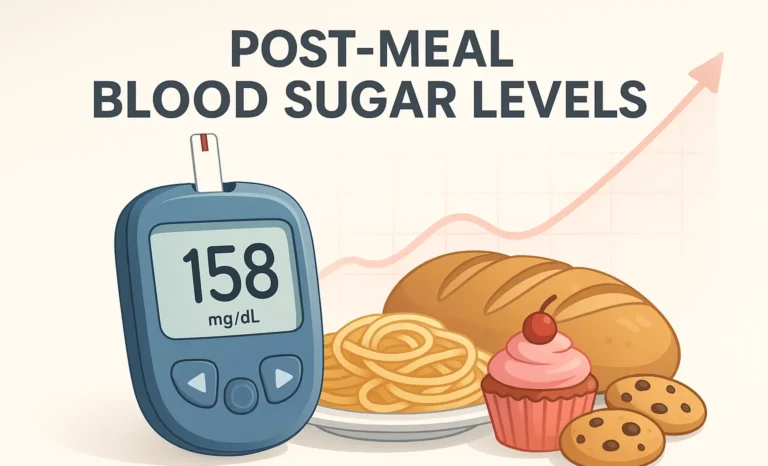
| Post-Meal (1–2 hours) | < 140 | 140–199 | ≥ 200 |
These values are widely used by physicians to diagnose and monitor blood glucose disorders.
If you want a deeper breakdown of these ranges throughout the day, reviewing detailed blood sugar charts can help you interpret your readings more easily.
Normal A1C Levels
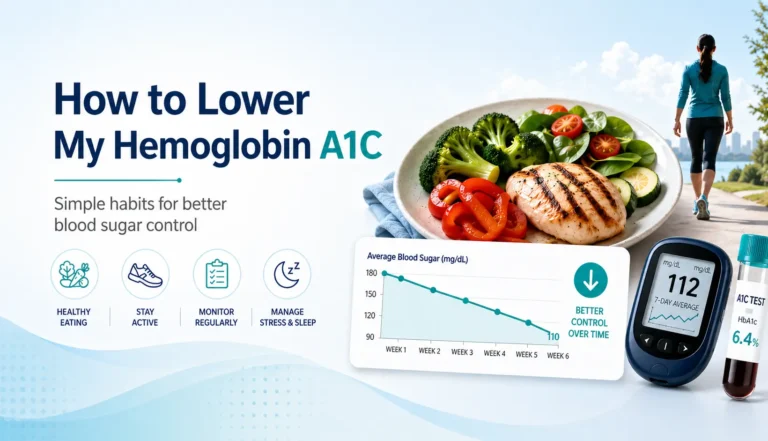
Another important measurement is the Hemoglobin A1C (HbA1c) test. This lab test reflects your average blood glucose levels over the past 2–3 months. 4
| A1C Level | Meaning |
|---|---|
| Below 5.7% | Normal |
| 5.7% – 6.4% | Prediabetes |
| 6.5% or higher | Diabetes |
For many people already diagnosed with diabetes, healthcare providers often recommend keeping A1C below 7%, although targets may vary depending on age and health conditions. 3
Track Your Blood Sugar Regularly
Regular monitoring can help you understand how food, stress, sleep, and exercise influence your glucose levels.
Common monitoring methods include:
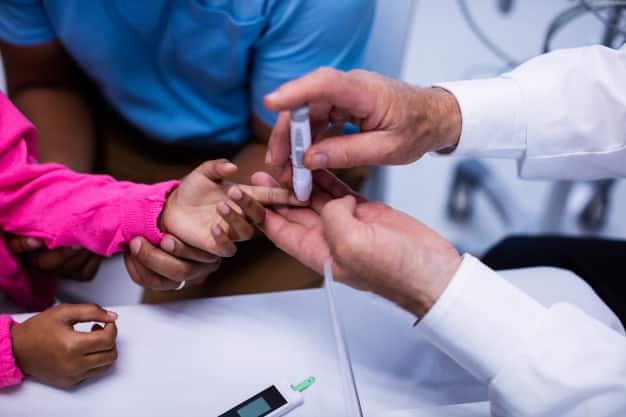
Blood glucose meters – finger-stick devices that measure glucose instantly
Continuous glucose monitors (CGMs) – sensors that track glucose throughout the day
Laboratory A1C testing – average glucose over several months
Healthcare experts recommend checking at different times such as: 5
• Fasting (before breakfast)
• Before meals
• Two hours after eating
• Before bedtime
Proper blood sugar management, like tracking results in a journal or mobile app helps identify trends and patterns that might otherwise go unnoticed.
Recognize High and Low Blood Sugar
Blood sugar naturally rises and falls during the day, but persistent highs or lows may indicate a problem.
High Blood Sugar (Hyperglycemia)
Hyperglycemia typically occurs when blood glucose rises above 180 mg/dL after meals in people with diabetes. 6
Common symptoms include:
• Increased thirst
• Frequent urination
• Fatigue
• Blurred vision
• Headaches
Left untreated, long-term hyperglycemia can increase the risk of heart disease, kidney disease, and nerve damage.
Low Blood Sugar (Hypoglycemia)
Hypoglycemia usually occurs when blood sugar falls below 70 mg/dL. 6
Typical symptoms include:
• Shaking or sweating
• Sudden hunger
• Dizziness
• Confusion
• Rapid heartbeat
Severe hypoglycemia can become a medical emergency and requires prompt treatment.
For more details, reviewing common high and low blood sugar symptoms can help you recognize warning signs early.
Balance Blood Sugar with Diet and Exercise
Healthy lifestyle choices play a major role in maintaining stable blood sugar levels.
Nutrition experts recommend focusing on whole foods and balanced meals that include fiber, protein, and healthy fats. 7
Helpful strategies include:
• Fill half your plate with non-starchy vegetables such as spinach, broccoli, or kale
• Choose lean proteins like fish, poultry, or legumes
• Replace refined carbs with whole grains and high-fiber foods
Physical activity also improves glucose regulation. Research shows that walking for about 10–15 minutes after meals can reduce post-meal blood sugar spikes. 8
Even moderate daily movement can improve insulin sensitivity and metabolic health.
When to Speak With a Healthcare Professional
If you regularly notice abnormal blood sugar readings, consult your healthcare provider. They may recommend:
• Medication adjustments
• Dietary changes
• Additional lab testing
• Continuous glucose monitoring
Regular medical follow-ups are important for preventing complications and maintaining long-term blood sugar control.
Key Takeaways
• Normal fasting blood sugar is generally below 100 mg/dL.
• Blood sugar after meals usually stays below 140 mg/dL in healthy individuals.
• The A1C test reflects average blood sugar over 2–3 months.
• Balanced meals, regular activity, and glucose monitoring help maintain stability.
• Consult your healthcare provider if readings are consistently high or low.
Making small changes—such as taking a short walk after meals or choosing whole grains instead of refined carbs—can significantly improve your daily glucose control over time.
FAQs About Normal Blood Sugar Levels
Clinical References & Sources
1. American Diabetes Association. Diabetes Diagnosis & Tests.
https://diabetes.org/about-diabetes/diagnosis
Back to content ↑
2. Centers for Disease Control and Prevention (CDC). What is Diabetes?
https://www.cdc.gov/diabetes/about/index.html
Back to content ↑
3. American Diabetes Association. Diabetes Testing and Blood Sugar Levels.
https://diabetes.org/living-with-diabetes/treatment-care/checking-your-blood-sugar
Back to content ↑
4. National Library of Medicine. Hemoglobin A1C Test Overview.
https://www.ncbi.nlm.nih.gov/books/NBK549816/
Back to content ↑
5. National Institute of Diabetes and Digestive and Kidney Diseases (NIDDK). Diabetes Tests & Diagnosis.
https://www.niddk.nih.gov/health-information/diabetes/overview/tests-diagnosis
Back to content ↑
6. Cleveland Clinic. Hyperglycemia (High Blood Sugar).
https://my.clevelandclinic.org/health/diseases/9815-hyperglycemia-high-blood-sugar
Back to content ↑
7. Mass General Brigham. Best Diet for Diabetes.
https://www.massgeneralbrigham.org/en/about/newsroom/articles/how-to-control-blood-sugar-with-diet
Back to content ↑
8. Baylor Scott & White Health. Walking After Meals and Blood Sugar.
https://www.bswhealth.com/blog/6-simple-ways-to-prevent-blood-sugar-spikes-after-meals
Back to content ↑




Leave a Reply