

Blood Sugar Charts for Normal and Post-Meal Levels
Monitoring your glucose levels can feel confusing at first, but blood sugar charts for normal and post-meal levels help remove the guesswork. These charts show recommended glucose ranges at different times of the day, helping you understand whether your levels fall within a healthy target.
Blood sugar charts are commonly used by people with diabetes, prediabetes, or anyone trying to maintain metabolic health. They provide a quick reference when interpreting readings from a glucose meter or continuous glucose monitor (CGM). 1
Below, you’ll learn how to interpret blood sugar charts, what normal glucose ranges look like for better blood sugar management, and how these daily readings relate to your A1C over time.
Want to compare your daily glucose levels with your long-term average? Try our A1C Calculator to convert A1C to estimated average glucose (eAG) and better understand your results.
Understand Blood Sugar Basics
Tracking your blood sugar regularly is an important part of managing glucose levels. If you’ve ever checked your blood sugar before and after meals, you may have noticed that levels change throughout the day.
These fluctuations occur because your body converts carbohydrates into glucose, which enters the bloodstream and is regulated by insulin. 2
When blood sugar levels remain within recommended ranges, the body functions normally. However, prolonged high or low levels may increase the risk of health complications.
Why Monitoring Matters
Maintaining blood sugar within a healthy range helps prevent both short-term symptoms and long-term complications.
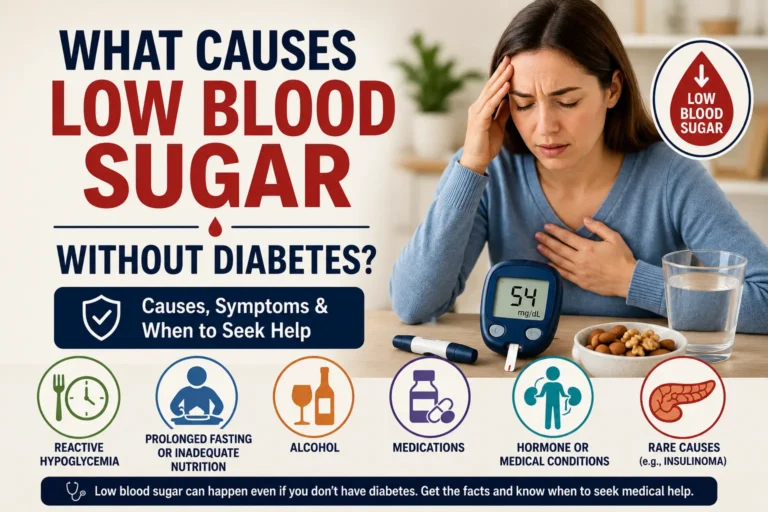
Low blood sugar (hypoglycemia) may cause:
- Shaking
- Sweating
- Confusion
- Dizziness
High blood sugar (hyperglycemia) may cause:
- Increased thirst
- Frequent urination
- Fatigue
- Blurred vision
Over time, uncontrolled blood sugar may increase the risk of nerve damage, kidney disease, and cardiovascular problems. 3
Regular monitoring helps reveal how your body responds to meals, physical activity, medications, and stress. 1
Explore Normal Blood Sugar Ranges
Blood sugar targets vary slightly depending on age, health status, and diabetes management plans. However, general guidelines provide a helpful starting point.
Normal Blood Sugar Levels Chart
| Blood Sugar Range | Ideal Levels for Most Healthy Adults* |
|---|---|
| Fasting (Before Meals) | 70–99 mg/dL |
| Post-Meal (1–2 Hours After Eating) | < 140 mg/dL |
*Individual targets can vary. Always consult a healthcare provider. 1 4
If fasting blood sugar consistently exceeds 100 mg/dL, it may indicate prediabetes. Repeated readings of 126 mg/dL or higher may indicate diabetes. 4 Check out our article on normal blood sugar levels.
Fasting Blood Sugar
Fasting blood sugar is measured after at least 8 hours without food.
Healthy fasting levels typically fall between:
70–99 mg/dL. 4
Fasting blood sugar testing is commonly used to diagnose:
- Prediabetes
- Type 2 diabetes
- Insulin resistance
Consistently elevated fasting levels may signal the need for lifestyle changes or medical evaluation.
Post-Meal Blood Sugar Levels Chart
After eating, blood sugar naturally rises as carbohydrates are broken down into glucose.
The following chart shows common post-meal glucose targets.
| Time After Eating | Recommended Blood Sugar Level |
|---|---|
| Before meal | 70–130 mg/dL |
| 1 hour after eating | < 180 mg/dL |
| 2 hours after eating | < 140 mg/dL |
These ranges are commonly recommended by diabetes care guidelines. 1
If post-meal blood sugar levels regularly exceeds 180 mg/dL, it may suggest poor glucose control or insulin resistance.
The Role of A1C in Blood Sugar Monitoring
While daily glucose checks show short-term fluctuations, the A1C test measures your average blood sugar over approximately three months. 5
A1C results are usually interpreted as:
| A1C Level | Interpretation |
|---|---|
| Below 5.7% | Normal |
| 5.7% – 6.4% | Prediabetes |
| 6.5% or higher | Diabetes |
Healthcare providers often recommend keeping A1C levels below 7% for many adults with diabetes, although targets may vary. 6
Use our A1C Calculator to convert your A1C result into estimated average glucose (eAG).
Identifying High and Low Blood Sugar
Recognizing high and low blood sugar symptoms early can help prevent dangerous glucose fluctuations.
High Blood Sugar (Hyperglycemia)
Symptoms may include:
- Frequent urination
- Increased thirst
- Fatigue
- Blurred vision
Chronic hyperglycemia may increase the risk of complications affecting the nerves, eyes, and kidneys. 3
Low Blood Sugar (Hypoglycemia)
Low blood sugar typically occurs when levels fall below 70 mg/dL. 7
Symptoms may include:
- Sweating
- Shaking
- Rapid heartbeat
- Confusion
- Weakness
A commonly recommended treatment is the 15-15 rule:
- Consume 15 grams of fast-acting carbohydrates
- Wait 15 minutes
- Recheck blood sugar levels
This process can be repeated until glucose returns to a safe range. 7
Tools for Tracking Blood Sugar Levels
Monitoring technology has improved dramatically in recent years, making it easier to track glucose trends.
Blood Glucose Meter
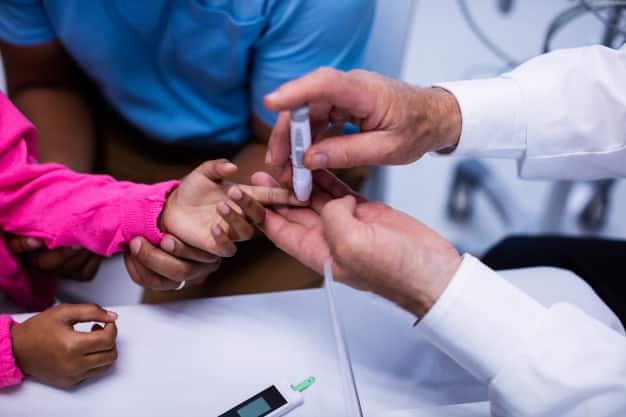
A handheld device that measures blood sugar using a small drop of blood from the fingertip. 8
Continuous Glucose Monitor (CGM)
CGMs use a tiny sensor under the skin to measure glucose levels every few minutes. These devices help detect trends and patterns throughout the day and night. 1
CGMs can also identify patterns such as the Dawn Phenomenon, a rise in blood sugar that occurs early in the morning.
Tracking Apps and Logs
Recording blood sugar readings alongside lifestyle habits can reveal helpful patterns.
Useful information to track includes:
- Time of reading
- Meal content
- Physical activity
- Medication timing
- Stress levels
Sharing this information with a healthcare provider can help guide personalized diabetes management strategies. 8
How to Use Blood Sugar Charts Effectively
Blood sugar charts become most helpful when combined with healthy daily habits.
Balanced Meals
Include a mix of:
- Fiber
- Protein
- Healthy fats
- Complex carbohydrates
Balanced meals slow glucose absorption and help prevent spikes.
Regular Physical Activity
Even short walks after meals can help muscles use glucose for energy, lowering blood sugar levels.
Consistent Monitoring
Testing before and after meals reveals how specific foods affect your glucose levels. 1 8
Work With Your Healthcare Team
Healthcare professionals can adjust medications, insulin doses, or dietary recommendations based on your glucose patterns.
FAQs
Clinical References & Sources
The following medical and educational sources support the blood sugar ranges, A1C guidance, glucose monitoring recommendations, and symptom information referenced in this article.
1.
American Diabetes Association. Blood Glucose Testing and Targets.
https://diabetes.org/living-with-diabetes/treatment-care/checking-your-blood-sugar
Back to content ↑
2.
Centers for Disease Control and Prevention. Diabetes.
https://www.cdc.gov/diabetes/
Back to content ↑
3.
Centers for Disease Control and Prevention. About Diabetes.
https://www.cdc.gov/diabetes/about/
Back to content ↑
4.
Centers for Disease Control and Prevention. Diabetes Testing.
https://www.cdc.gov/diabetes/diabetes-testing/
Back to content ↑
5.
Centers for Disease Control and Prevention. A1C Test for Diabetes and Prediabetes.
https://www.cdc.gov/diabetes/diabetes-testing/prediabetes-a1c-test.html
Back to content ↑
6.
Mayo Clinic. Diabetes – Diagnosis and Treatment.
https://www.mayoclinic.org/diseases-conditions/diabetes/diagnosis-treatment/drc-20371451
Back to content ↑
7.
Healthline. Rule of 15 for Diabetes: 15-15 Rule for Hypoglycemia.
https://www.healthline.com/health/diabetes/rule-of-15-diabetes
Back to content ↑
8.
Centers for Disease Control and Prevention. Monitoring Your Blood Sugar.
https://www.cdc.gov/diabetes/diabetes-testing/monitoring-blood-sugar.html
Back to content ↑







Leave a Reply