
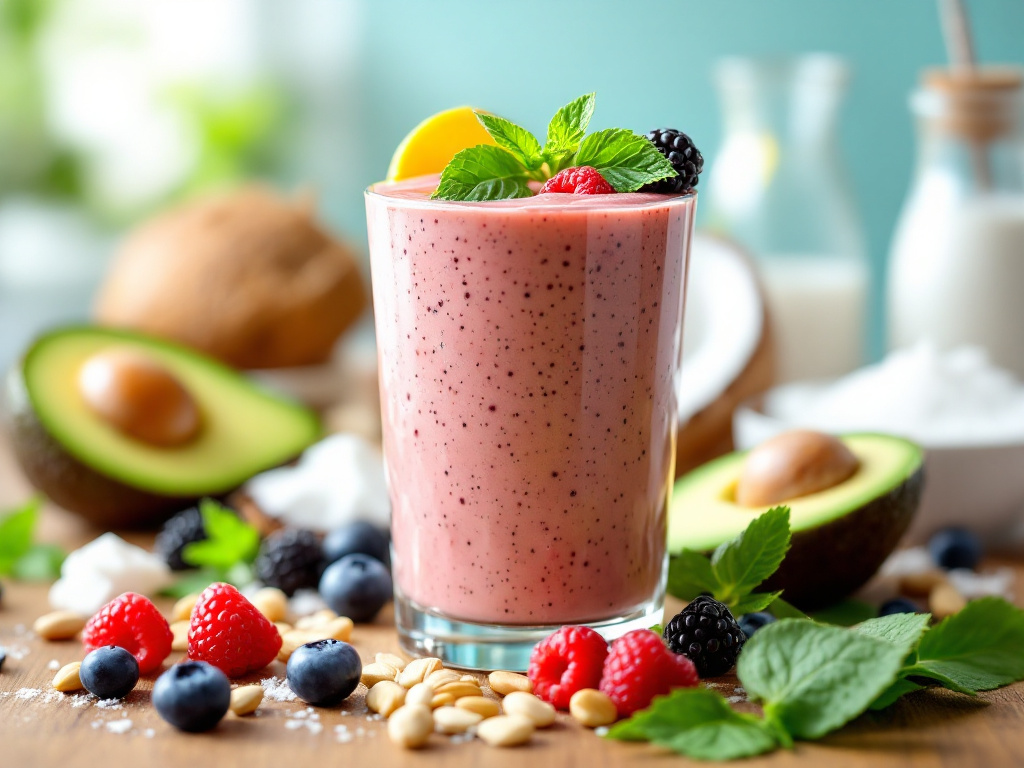
Keto Smoothie Nutrition Guide: Macros, Calories & Net Carbs
A keto smoothie nutrition guide helps you understand how to build low-carb smoothies that support ketosis while keeping blood sugar stable. Unlike traditional smoothies loaded with fruit and sugar, keto smoothies focus on healthy fats, fiber, and moderate protein to maintain energy and metabolic balance.
For people managing diabetes or following a ketogenic lifestyle, knowing the nutritional breakdown of keto smoothie ingredients can help prevent blood sugar spikes and support better long-term glucose control.[ 4 ]
This guide explains macronutrients, ingredient choices, and nutritional strategies so you can build keto smoothies that are both delicious and metabolically supportive.
Keto Smoothie Nutrition Snapshot
| Nutrient | Typical Amount |
|---|---|
| Calories | 300–400 |
| Fat | 25–35 g |
| Protein | 15–25 g |
| Net Carbs | 5–10 g |
| Fiber | 5–8 g |
A keto smoothie typically contains 300–400 calories with high fat, moderate protein, and fewer than 10 grams of net carbohydrates, making it suitable for ketogenic diets and blood sugar management.
Why Keto Smoothies Can Support Blood Sugar Control
A well-designed keto smoothie provides nutrients while minimizing carbohydrate intake. Keto smoothies typically contain healthy fats, fiber-rich ingredients, and low-glycemic vegetables, which slow digestion and help stabilize glucose levels.
When carbohydrates are reduced significantly, the body begins producing ketones, molecules that can be used as an alternative fuel source instead of glucose. This metabolic state is called ketosis.
Research suggests ketogenic diets may improve insulin sensitivity and glycemic control in some individuals with metabolic conditions.[ 1 ]
Key reasons keto smoothies may support blood sugar balance include:
- Lower carbohydrate content than traditional smoothies
- Higher fat content, which slows glucose absorption
- Fiber-rich ingredients that reduce glycemic impact
- Minimal added sugars
These factors help create a smoothie that is both nutritionally balanced and blood-sugar friendly.
Managing carbohydrate intake can help stabilize glucose levels. You can estimate how long-term blood sugar responds to dietary changes using our A1C Calculator, which converts A1C to estimated average glucose.
Keto Smoothie Macronutrients Explained
Understanding macronutrients is the foundation of any keto smoothie nutrition guide.
Typical Keto Smoothie Macro Targets
| Macronutrient | Typical Range | Role in Keto Smoothies |
|---|---|---|
| Fat | 60–75% of calories | Provides energy and supports ketosis |
| Protein | 15–30% | Supports muscle and satiety |
| Net Carbs | 5–10% | Keeps carbohydrate intake low |
Most keto smoothies contain 5–10 grams of net carbohydrates per serving depending on ingredients.
Net carbs are calculated as:
Total Carbs – Fiber = Net Carbs
Keeping net carbs low helps maintain ketosis and prevent blood sugar spikes.
Best Low-Carb Ingredients for Keto Smoothies
The ingredients you choose dramatically influence the nutrition profile of your keto smoothie.
Healthy Fats
Healthy fats are essential for keto smoothies because they provide energy and improve satiety.
Examples include:
- Avocado
- Coconut milk
- MCT oil
- Almond butter
- Coconut cream
These fats help maintain ketosis while improving the smoothie’s texture.
Low-Carb Vegetables
Low-glycemic vegetables add nutrients without increasing carbohydrate load.
Good options include:
- Spinach
- Kale
- Zucchini
- Cucumber
Leafy greens also provide vitamins, antioxidants, and minerals that support overall metabolic health.
Low-Sugar Fruits
Fruit should be limited but can still be included in small amounts.
Best keto fruit options:
- Raspberries
- Blackberries
- Strawberries
Berries are relatively low in carbohydrates compared with most fruits and contain beneficial antioxidants.[2]
Protein Sources
Protein helps balance the macronutrient profile of keto smoothies.
Common options include:
- Collagen peptides
- Whey isolate protein
- Plant-based protein powder
- Greek yogurt (unsweetened)
Protein supports muscle health while increasing fullness.
Keto Smoothie Ingredient Macro Breakdown (Calories, Fat, Protein, Net Carbs)
| Ingredient | Calories | Fat | Protein | Net Carbs |
|---|---|---|---|---|
| Avocado (½) | 120 | 11g | 2g | 2g |
| Almond Butter (1 tbsp) | 98 | 9g | 3g | 2g |
| Chia Seeds (1 tbsp) | 58 | 4g | 2g | 1g |
| Coconut Milk (1 cup) | 45 | 4g | 0g | 1g |
| Raspberries (¼ cup) | 15 | 0g | 0g | 1g |
What are the macros in a keto smoothie?
A typical keto smoothie contains 25–35 grams of fat, 15–25 grams of protein, and 5–10 grams of net carbohydrates, depending on ingredients like avocado, almond milk, nut butter, and low-carb berries.
Nutritional Benefits of Keto Smoothies
A properly balanced keto smoothie can provide several health benefits.
Supports Ketosis
Low carbohydrate intake allows the body to enter ketosis, where fat becomes the primary fuel source.[ 3 ]
Helps Control Blood Sugar
Reducing carbohydrate intake can help reduce post-meal glucose spikes in some individuals.[ 1 ]
Promotes Satiety
High-fat and moderate-protein smoothies tend to keep people full longer than high-sugar smoothies.
Provides Essential Nutrients
Ingredients like leafy greens, nuts, and seeds add vitamins, minerals, and antioxidants.
Sample Keto Smoothie Nutrition Profile
Here is a typical nutrition breakdown for a balanced keto smoothie.
| Nutrient | Amount |
|---|---|
| Calories | ~350 |
| Fat | 28 g |
| Protein | 18 g |
| Net Carbs | 6 g |
| Fiber | 7 g |
Actual values vary depending on ingredient choices.
Tips for Building the Perfect Keto Smoothie
Follow these simple strategies when creating your own keto smoothie.
1. Start with a low-carb base
Use unsweetened almond milk, coconut milk, or water.
2. Add healthy fats
Include avocado, nut butter, or MCT oil.
3. Include protein
Protein powder or collagen peptides help balance macros.
4. Add fiber
Chia seeds or flaxseeds improve digestion and glycemic control.
5. Limit fruit
Use small portions of berries instead of high-sugar fruits like bananas or mango.
Who Should Use a Keto Smoothie Nutrition Guide?
A keto smoothie nutrition guide can help:
- People following a ketogenic diet
- Individuals managing diabetes or insulin resistance
- Anyone seeking lower-carb meal options
- People trying to reduce sugar intake
However, ketogenic diets may not be appropriate for everyone, so consulting a healthcare professional is recommended before making major dietary changes.
For more healthy drink ideas, check our full guide to diabetic smoothie recipes.
FAQs
For another diabetes-friendly snack, try our protein filled keto fat bombs!
Clinical References & Methodology
The nutrition principles discussed in this Keto Smoothie Nutrition Guide are based on established research on ketogenic diets, glycemic control, and nutrient composition.
- Hallberg SJ, et al. Effectiveness and Safety of a Novel Care Model for the Management of Type 2 Diabetes at One Year. NCBI / NIH
- USDA FoodData Central — Nutritional composition of fruits, vegetables, and keto ingredients. USDA Database
- Harvard T.H. Chan School of Public Health — Overview of ketogenic diet research and metabolic effects. Harvard Nutrition Source
- American Diabetes Association — Dietary approaches for glucose management. American Diabetes Association





Leave a Reply