Type 2 Diabetes Treatments: Manage, Control & Reverse
Type 2 diabetes or t2d, is a medical condition due to metabolic disorder in which the body does’t use insulin properly. Insulin resistance occurs and type 2 diabetes progresses. We’ll go through type 2 diabetes treatments and management to keep you informed.
What Are the Best Treatments for Type 2 Diabetes?
The most effective treatments for type 2 diabetes include a combination of healthy eating, regular physical activity, weight management, and medication when needed. First-line therapy often starts with lifestyle changes and metformin. In some cases, insulin or newer medications (like GLP-1 or SGLT2 inhibitors) are added to help control blood sugar levels and prevent complications (American Diabetes Association).
Type 2 Diabetes Overview
According to the ADA, when glucose cannot be distributed correctly through the body, hyperglycemia occurs, leading to increased blood sugar levels. This also elevated glucose levels in the blood stream. Hyperglycemia is as a result of the following factors;
1. The body is unable to produce enough insulin to regulate increase in blood glucose levels.
2. The body is ineffective in insulin utilisation thus, leading to build up in blood glucose levels. This is also referred to as “insulin resistance “- a pioneering factor that leads to type 2 gestational and prediabetes.
The factors above can lead to complications and health problems such as:
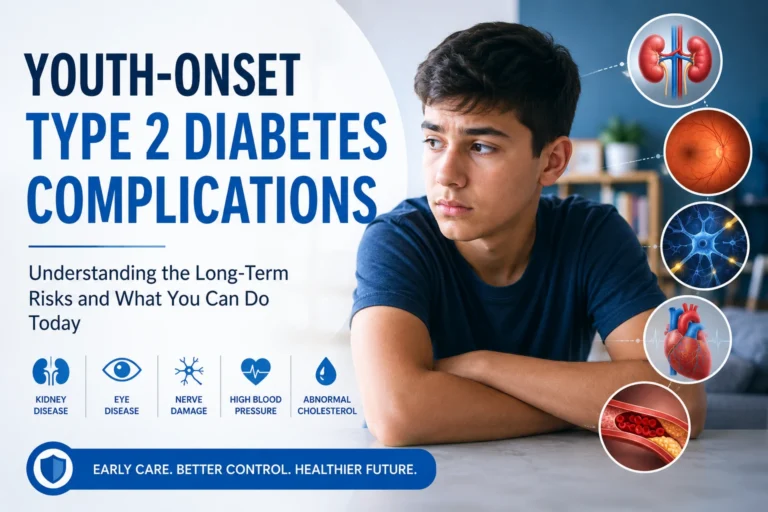
- kidney damage: irreversible end stage kidney disease that may require dialysis or kidney failure.
- Nerve damage (Neuropathy): excess blood sugar can cause numbness and burning sensation experienced in finger/toe tips upwards signalling nerve damage/dysfunction.
- Vision Loss/Eye damage: such as glaucoma and cataracts which may destroy retinal blood vessels leading to potential blindness.
- Cardiovascular diseases: such as atherosclerosis (the narrowing of blood vessels), high blood pressure, stroke etc.
Type 2 diabetes, formerly known as Non-insulin dependent/Adult onset diabetes due to its occurrence in individuals over the ages of 40 to 45 years. Today more children are being stricken with this disorder than ever. The diagnosis of type 2 diabetes in children is due to the rise in child obesity rates.
Studies have shown that more than 75 to 80% of children diagnosed with type 2 diabetes are related to someone already diagnosed with the disease, or because there are certain unhealthy eating traits and lifestyle habits that increases the risk of the condition. This can be prevented by:
- engaging in more fun physical activities
- consuming more fruits and vegetables
- drinking more water
- avoiding less sugary drinks
- preparing more healthy meals.
Signs and Symptoms
According to the Cleveland Clinic, the signs and symptoms of type 2 diabetes often develop slowly over a long period of time or for several years without ones knowledge. This is due to the fact that type 2 diabetes symptoms can be difficult to spot. However, knowing the risk factors/signs and symptoms to watch out for can help in it’s management, regulation and control. Some of these symptoms include;
1. Excessive or increased thirst: also known as “polydipsia” a term given to describe increased thirst for water usually noticed as an initial symptom of diabetes, as it occurs due to high blood sugar levels. Polydipsia is accompanied by temporary or prolonged mouth dryness.
2. Frequent urination: also known as “polyuria” which is a condition whereby the body release’s urine more than normal with large or abnormally excessive amounts of urine. Not all blood sugar can be reabsorbed and some of this excess blood glucose ultimately ends up in the urine where it draws more water from the kidneys resulting in unusually large urine amounts.
3. Unintended or sudden loss of weight and muscle mass:
Individuals with type 2 diabetes experience sudden insufficient insulin levels. This prevents the body from getting glucose from the bloodstream and into the cells to be utilized as fuel or energy. When this happens, the body looks for an alternative and will start to breakdown/burn up fat and muscle mass for energy. Leading to a sudden reduction in total body weight or muscle mass.
More T2D Symptoms
4. Extreme tiredness and body fatigue: This is as a resulting effect of hyperglycemia (high blood sugar levels) either due to insulin resistance or lack of insulin hormone which affects the body’s ability to channel glucose into cells to be utilized as fuel to meet the body’s energy needs.
5. Increased hunger: also known as “polyphagia” used to describe increased or excessive hunger or appetite. Polyphagia is one of type 2 diabetes three main symptoms characterized by lack of insulin hence, the body cannot convert or transform the food ingested into energy or body fuel and this lack of energy causes increased hunger levels.
5. Sores that heal slowly with areas of darkened skin (which is visible on the neck and underneath the armpits): this is an indicator of insulin resistance in t2d.
6. Frequent infections.
Risk Factors
A number of factors can precipitate the risk of exposure or chances of developing type 2 diabetes. They include;
1. Physical inactivity » engaging in physical activities aids in weight control by using up stored glucose as a source of energy and this makes body cells more sensitive to insulin activity. Thus, the less active you are, the greater your risk of developing type 2 diabetes.
2. Age » as you get older, the risk of type 2 diabetes increases especially from age 40 to 45 due to the fact that as people age, they tend to gain weight, exercise less often and lose muscle mass.
3. Being Obese and overweight » is a major predisposing risk factor for developing type 2 diabetes.
4. Family History » having a first degree relative with type 2 diabetes diagnosis can be correlated with hereditary & environmental factors.
5. Waist size and fat distribution » fat stored mainly in the abdomen increase the risk of type 2 diabetes than if the fat is stored in other parts of the body such as the hips and thighs. Also the risk of type 2 diabetes rises in men with a waist size of 37 to 40 inches(101.6 centimeters) and a waist size of 31.5 to 35 inches(88.9 centimeters) in women.
6. Polycystic ovarian syndrome » which is a common condition in women characterized by- obesity, irregular menstruation and excessive hair growth increase the risk of developing type 1/ type 2 diabetes.
Treatment and Management
Type 2 diabetes is a completely reversible and preventable health condition with chances of greatly reducing symptoms or reversing the disease condition especially when diagnosed on time.
The first step in the treatment and management of type 2 diabetes involves a typical combination of diet modification, with frequent appropriate physical activities and regular exercise.
Type 2 diabetes treatments often combine lifestyle changes and medications for the best blood sugar control. Here’s how they compare:
| Treatment Category | Lifestyle Treatments | Medical Treatments |
|---|---|---|
| Goal | Improve insulin sensitivity and support natural blood sugar control | Lower blood sugar levels quickly and effectively |
| Examples | Healthy diet, weight loss, regular exercise, and low-glycemic foods | Metformin, GLP-1 receptor agonists, SGLT2 inhibitors, and insulin therapy |
| Effectiveness | Highly effective long-term and may lead to remission in some cases | Very effective for blood sugar control |
| Speed | Gradual, usually over weeks to months | Faster, often within days to weeks |
| Side Effects | Usually minimal when followed consistently | May include nausea, low blood sugar, or digestive side effects |
| Cost | Usually lower, depending on food and lifestyle changes | Moderate to high, depending on the medication used |
| Long-Term Benefits | Supports weight loss, improves metabolism, and lowers disease risk | Helps reduce complications by improving blood sugar control |
| Best For | Early-stage diabetes, prevention, and long-term management | Moderate to advanced diabetes, or when lifestyle changes are not enough |
Can Type 2 Diabetes Be Reversed?
Type 2 diabetes can be reversed in some cases through significant weight loss, diet changes, and regular exercise, but it is not considered a permanent cure according to the American Diabetes Association.
Type 2 diabetes can sometimes be put into remission, especially when it is diagnosed early and managed with consistent lifestyle changes. While it is not considered a permanent cure, many people can lower their blood sugar to normal or near-normal levels without medication, according to the Centers for Disease Control and Prevention.
The most effective ways to manage or reverse type 2 diabetes include:
- Losing excess weight
- Following a low-carbohydrate or low-glycemic diet
- Exercising regularly
- Reducing processed foods and added sugars
These lifestyle changes are most effective when started early and followed consistently.
Research shows that improving insulin sensitivity and reducing fat around the liver and pancreas can help restore normal blood sugar levels (clinical study on diabetes remission).
However, reversal is not guaranteed for everyone. Some individuals may still need medication or insulin therapy, especially if the condition has progressed over time. Even in remission, ongoing healthy habits are essential to prevent blood sugar levels from rising again.
👉 You can use an A1C calculator to track your long-term blood sugar improvements and monitor progress over time.
Healthy Diet for Type 2 Diabetes
A healthy diet focuses on reducing carbohydrates and choosing low-glycemic foods to help control blood sugar levels. Eating meals with lower carbohydrate and Low-Glycemic index can aid with weight loss and the eventual reduction/lowering of high blood glucose levels. A low calorie diet also comes handy as the less intake of calories results in lower build up of excess blood glucose.
Individuals diagnosed with type 2 diabetes will have to be extra cautious and careful with their carbohydrates content so that it does not equate to an uncontrollable rise in blood sugar levels. Some recommended diabetes super foods particularly rich in vitamins and other nutrients uniquely beneficial for individuals with type 2 diabetes include; lentils, cinnamon, white balsamic vinegar, chia seeds and wild salmon.
Medications for Type 2 Diabetes
Medications are used when lifestyle changes alone are not enough to control blood sugar levels. Oral medications are often the first kind to be prescribed, some of these prescribed pills and their functions include;
First-line treatment for type 2 diabetes
- Metformin: helps the body to respond better to insulin.
Drugs that increase insulin production
- Meglitinides and Sulfonylureas: these medications stimulate the pancreas to produce more insulin.
Drugs that slow carbohydrate digestion
- Alpha-glucosidase inhibitors: slow down carbohydrate digestion, helping prevent blood sugar spikes after meals.
Medications that remove excess glucose
- SGLT2 inhibitors: help the kidneys remove excess glucose through urine, lowering blood sugar levels.
Medications that support weight loss and blood sugar control
- GLP-1 receptor agonists (such as semaglutide [Ozempic], liraglutide [Victoza], and exenatide [Byetta]) help lower blood sugar, slow digestion, and may support weight loss.
Drugs that regulate insulin after meals
- DPP-4 inhibitors (such as sitagliptin [Januvia]) help increase insulin release and reduce glucose production after meals.
The choice of medication depends on individual health factors, blood sugar levels, weight goals, and guidance from a healthcare provider.
Insulin Therapy
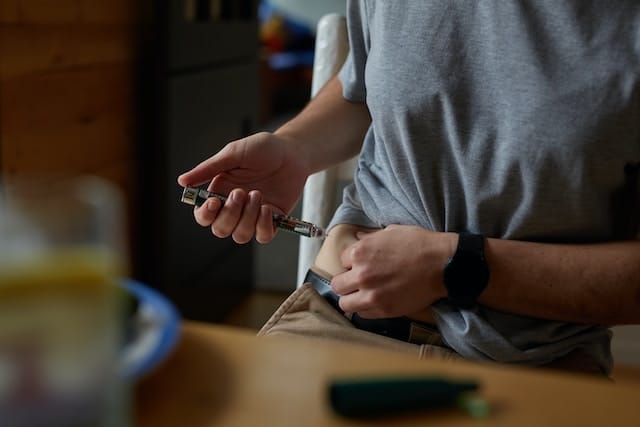
Taken with a device called an insulin pen or through an inhaler. Insulin therapy is recommended when other medication’s are not sufficient enough to control blood sugar levels.
Exercise and Physical Activity
This includes all forms of physical activity from chores, working out to walking. Regular exercise helps in a culminative effect of lowering blood sugar levels by;
- helping cells to utilise insulin.
- enabling muscles to use up glucose.
It is advisable to check your blood sugar level before and after exercising.
Blood Sugar Monitoring
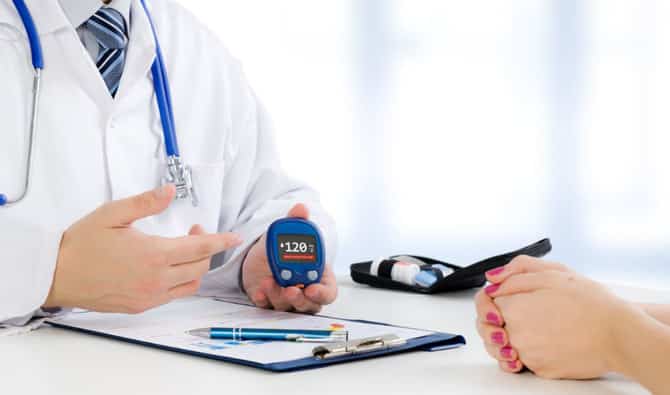
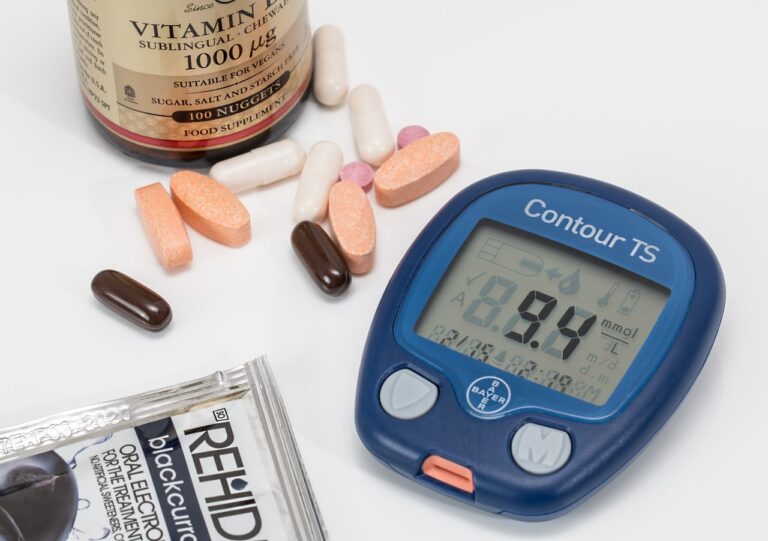
Involves checking your blood sugar with a glucometer on a regular basis. Consult with your doctor or healthcare professional about how often to test your blood sugar in order to know how well medication’s/treatments are working. Also vital, is knowing the target range your blood sugar should be maintained. You can also use an A1C calculator to estimate your average blood sugar over time and track long-term control.
Weight Loss Surgery
This treatment is not for everyone! Recommended for patients such as, men who are at least 100 pounds overweight, and women who are 80 pounds overweight. This would help get rid of the extra pounds, control blood sugar, raise the level of gut hormones called “secretins” that signals the pancreas to secrete more insulin. Thus leading to less intake of medication’s and effective treatment. #t2d #type2diabetes #t2dtreatments #t2dmanagement #t2dcure
FAQs About Type 2 Diabetes Treatment & Management