
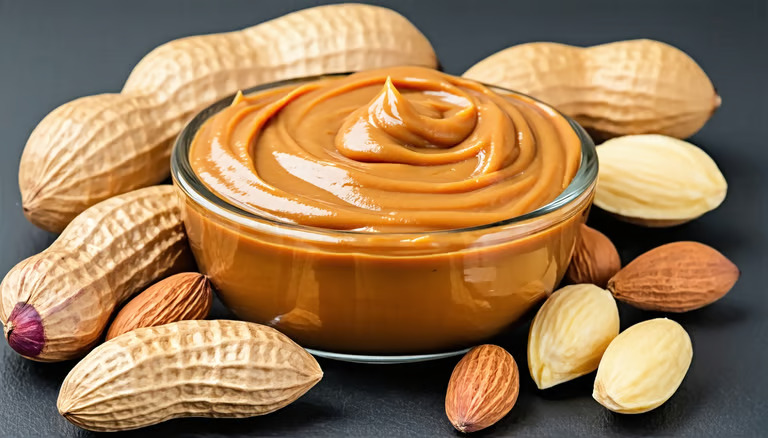
Complete Guide to the Best Peanut Butter for Diabetics
The Complete Guide to the Best Peanut Butter for Diabetics: Nutritional Analysis, Brand Comparisons, and Smart Shopping Tips.
People with diabetes can continue to enjoy peanut butter as a part of their diet because it provides valuable nutritional benefits. The right selection of peanut butter becomes an excellent dietary choice for people with diabetes when used in their diabetes management plan. This guide provides complete information about peanut butter selection through nutritional analysis and brand evaluation and smart shopping methods to support your health decisions.
Why Peanut Butter Can Be Diabetic-Friendly
Natural peanut butter along with peanuts belong to the low glycemic index (GI) category because they produce gradual and controlled blood sugar increases. The GI score of peanuts stands at 14 which positions them as one of the foods with the lowest GI values available. The best peanut butter selection for diabetic patients serves as an essential tool to control blood sugar levels.
Research indicates that peanut butter helps maintain stable blood glucose levels and produces reduced glycemic effects when paired with high-carb foods. A 2018 research study demonstrated that adding 2 tablespoons of peanut butter to white bread and apple juice resulted in lower glucose peaks than consuming bread and juice alone.
Key Nutritional Factors to Consider
The selection of the best peanut butter for diabetics requires evaluation of multiple nutritional elements:
Sugar Content
- Natural sugars: Natural peanut butters contain 2-3g of peanut-derived sugars which occur naturally in the product.
- Added sugars: The consumption of added sugars in peanut butter products leads to blood glucose elevations.
- Target: The nutrition label should display 0g added sugars as your target.
Carbohydrate Count
- Total carbs: A two-tablespoon serving of natural peanut butter contains 5-7g of total carbohydrates.
- Net carbs: The net carb content of each serving amounts to 2-4g because of 3-4g of dietary fiber.
- Fiber content: The amount of fiber in peanut butter products determines how fast glucose enters the bloodstream.
Protein and Healthy Fats
- Protein: The protein content in high-quality peanut butter products reaches 7-8 grams per serving.
- Monounsaturated fats: The heart-healthy monounsaturated fats in peanut butter help people feel full while controlling blood sugar levels.
- Avoid trans fats: Select products that do not contain hydrogenated oils because they contain trans fats.
Top Diabetic-Friendly Peanut Butter Brands
1. Crazy Richard’s 100% Peanuts – Buy NOW!
Nutritional Profile (2 tbsp):
- Calories: 190
- Total Carbs: 5g
- Fiber: 3g
- Sugar: 2g (natural, 0g added)
- Protein: 8g
- Fat: 16g
Ingredients: Peanuts (that’s it!)
Price Range: $3.79-$5.66 per 16oz jar
Why it’s ideal for diabetics: Crazy Richard’s contains only peanuts with no added sugar, salt, or oil. The minimal processing preserves natural nutrients while keeping carbs low.
2. Adams 100% Natural Peanut Butter
Nutritional Profile (2 tbsp):
- Calories: 190
- Total Carbs: 7g
- Fiber: 3g
- Sugar: 2g (natural only)
- Protein: 8g
- Fat: 16g
Ingredients: Peanuts, Salt
Price Range: $4.88-$7.69 per 16oz jar
Why it’s recommended: Healthline dietitians praise Adams for having “no extra stuff” – no sugar, preservatives, or stabilizers. The minimal salt addition enhances flavor without compromising diabetic-friendliness.
3. Jif No Added Sugar
Nutritional Profile (2 tbsp):
- Calories: 200
- Total Carbs: 6g
- Fiber: 3g
- Sugar: 2g (natural only)
- Protein: 7g
- Fat: 17g
Ingredients: Peanuts, Palm Oil, Salt
Price Range: $2.49-$4.99 per 15.5oz jar
Why it works for diabetics: While not as clean as natural options, Jif’s no-sugar-added version eliminates the 3g of added sugar found in regular Jif, making it more diabetes-friendly while maintaining familiar taste.
4. Skippy No Sugar Added
Nutritional Profile (2 tbsp):
- Calories: 190
- Total Carbs: 4g
- Fiber: 2g
- Sugar: 1g
- Protein: 7g
- Fat: 17g
Ingredients: Peanuts, Palm Oil, Salt
Price Range: $11.92-$12.56 per 16oz jar
Why it’s suitable: Skippy’s sugar-free version offers lower carbs than most alternatives and maintains the smooth texture many prefer.
Comprehensive Nutritional Comparison Table
| Brand | Size | Price | Calories | Total Carbs | Net Carbs | Sugar | Protein | Added Sugar |
|---|---|---|---|---|---|---|---|---|
| Crazy Richard’s | 16oz | $3.79-$5.66 | 190 | 5g | 2g | 2g | 8g | 0g |
| Adams Natural | 16oz | $4.88-$7.69 | 190 | 7g | 4g | 2g | 8g | 0g |
| Jif No Sugar Added | 15.5oz | $2.49-$4.99 | 200 | 6g | 3g | 2g | 7g | 0g |
| Skippy No Sugar Added | 16oz | $11.92-$12.56 | 190 | 4g | 2g | 1g | 7g | 0g |
| Regular Jif (comparison) | 18oz | $2.00-$3.49 | 190 | 8g | 5g | 3g | 7g | 3g |
Cost Analysis: Best Value for Diabetics
Most Economical Options:
- Jif No Added Sugar: $0.16-$0.32 per oz
- Crazy Richard’s: $0.24-$0.35 per oz
- Adams Natural: $0.31-$0.48 per oz
- Skippy No Sugar Added: $0.75-$0.78 per oz
Best Overall Value:
Crazy Richard’s offers the best balance of price, quality, and diabetic-friendly nutrition. Despite being slightly more expensive than Jif, its superior ingredient profile (only peanuts) makes it worth the investment.
What to Avoid: Red Flags for Diabetics
High-Sugar Varieties
- Regular Jif, Skippy, and Peter Pan contain 3-4g added sugar per serving
- Honey-roasted varieties can contain 6-8g total sugar
- Flavored varieties (chocolate, cinnamon) often exceed 8g sugar
“Low-Fat” Options
Reduced-fat peanut butters often contain more sugar than regular varieties to compensate for flavor loss. The removed healthy fats are typically replaced with sugar and stabilizers.
Highly Processed Varieties
Avoid products containing:
- Hydrogenated oils (trans fats)
- High fructose corn syrup
- Multiple preservatives
- Artificial sweeteners (may affect gut health)
Practical Shopping Tips for Diabetics
Reading Labels Effectively
- Check the ingredient list first – fewer ingredients typically mean better quality
- Look for “0g Added Sugar” on the nutrition label
- Verify total carbs – aim for 7g or less per serving
- Calculate net carbs by subtracting fiber from total carbs
Storage and Portion Control
- Measure portions: Use a tablespoon to ensure proper 2-tbsp servings
- Pre-portion: Divide large jars into single-serving containers
- Storage: Natural peanut butters separate – store upside down before opening to ease mixing
Budget-Friendly Strategies
- Buy in bulk: Purchase larger sizes when on sale
- Store brands: Many grocery chains offer quality natural peanut butter at lower prices
- Coupons: Major brands frequently offer digital coupons
- Compare unit prices: Check per-ounce costs rather than jar prices
Health Benefits Beyond Blood Sugar Control
The best peanut butter for diabetics offers additional health advantages:
Heart Health
Peanut butter is rich in monounsaturated fats, which can help improve cholesterol levels and reduce cardiovascular disease risk – important considerations since diabetes increases heart disease risk.
Magnesium Content
Many people with type 2 diabetes have low magnesium levels. Peanuts provide approximately 54mg of magnesium per serving, which may help improve insulin sensitivity.
Satiety and Weight Management
The protein and healthy fat content in natural peanut butter promotes satiety, potentially helping with weight management – a crucial factor in diabetes control.
Incorporating Peanut Butter into a Diabetic Diet
Smart Pairing Strategies
- With fiber-rich foods: Apple slices, celery, whole grain toast
- In smoothies: Adds protein without requiring additional sweeteners
- With low-GI fruits: Berries, pears, or citrus fruits
Portion Control Guidelines
- Standard serving: 2 tablespoons (32g)
- Snack portion: 1 tablespoon with fruit or vegetables
- Meal component: 1-2 tablespoons as part of breakfast or lunch
Timing Considerations
- Pre-exercise: Provides sustained energy without blood sugar spikes
- Between meals: Helps prevent hypoglycemia
- Bedtime snack: May help stabilize overnight blood glucose
Making the Final Choice
When selecting the best peanut butter for diabetics, prioritize:
- Ingredient quality over brand recognition
- Zero added sugars as a non-negotiable requirement
- Natural varieties with minimal processing
- Reasonable pricing that fits your budget
- Personal taste preferences to ensure long-term adherence
The ideal choice varies based on individual needs, taste preferences, and budget constraints. However, Crazy Richard’s 100% Peanuts emerges as the top recommendation for most diabetics due to its clean ingredient profile, excellent nutritional stats, and reasonable pricing.
FAQs
Conclusion
Finding the best peanut butter for diabetics doesn’t require sacrificing taste or breaking the budget. By focusing on natural varieties with no added sugars, minimal ingredients, and appropriate portion sizes, you can enjoy this nutritious food while maintaining stable blood glucose levels.
Remember that peanut butter is just one component of a comprehensive diabetes management plan. Always consult with your healthcare provider or registered dietitian when making significant dietary changes, and consider how peanut butter fits into your overall carbohydrate and calorie goals.
The key to success lies in making informed choices, practicing portion control, and selecting products that align with both your health needs and taste preferences. With the information provided in this guide, you’re well-equipped to make the best peanut butter choice for your diabetic lifestyle.





Leave a Reply