
Keto Smoothie for Diabetics: Low-Carb Recipes
A Keto Smoothie for Diabetics can be one of the easiest ways to enjoy a quick, low-carb meal without sending your blood sugar sky-high. Many traditional smoothies rely on bananas, mangoes, or yogurt with added sugar, which may cause glucose spikes. Keto smoothies take a different approach—fewer carbs, more healthy fats, and ingredients that help support steadier energy throughout the day.
Whether you’re managing Type 1, Type 2, or prediabetes, keto-friendly smoothies offer simple options for breakfast, post-workout recovery, or an on-the-go snack.
Quick Answer
Can diabetics drink keto smoothies?
Yes. A well-balanced keto smoothie for diabetics can fit a diabetes meal plan when it’s made with unsweetened ingredients, adequate protein, healthy fats, and fiber while limiting digestible carbohydrates. Monitor your blood sugar after trying new recipes, as individual glucose responses vary.
What Is a Keto Smoothie for Diabetics?
A keto smoothie for diabetics is a low-carb, high-fat, and moderate-protein drink designed to help minimize blood sugar spikes. These smoothies typically contain under 10g of net carbs and use ingredients like unsweetened almond milk, avocado, protein powder, and low-glycemic berries. When balanced correctly, they can support steady energy, satiety, and better glucose control.
Why Choose a Keto Smoothie for Diabetics?
A well-built Keto Smoothie for Diabetics can help with:
1. Blood Sugar Control
Low-carb ingredients, combined with protein and healthy fats, may help reduce sudden glucose spikes.
2. Better Satiety
Keto smoothies tend to keep you full longer, which is helpful if you’re trying to avoid grazing or manage hunger throughout the day.
3. Easy Meal Prep
Most keto smoothies take less than two minutes to make and use pantry staples many people already keep around.
4. Lower-Carb Nutrition
You still get vitamins, fiber, healthy fats, and antioxidants—just without the high sugar content of typical fruit-based smoothies.
What Makes a Keto Smoothie Diabetes-Friendly?
To be considered a Keto Smoothie for Diabetics, a recipe typically includes:
Under 10g net carbs
A source of healthy fats (avocado, nut butter, chia seeds)
Quality protein (whey isolate, collagen, or Greek yogurt)
High-fiber vegetables or seeds
No added sugars (stevia or monk fruit if you want sweetness)
This combination may help improve digestion, slow carbohydrate absorption, and make blood sugar fluctuations less dramatic.
This macronutrient balance aligns with common low-carb strategies used to help support stable blood sugar levels in people with diabetes.
Top 3 Keto Smoothie for Diabetics Recipes

These recipes are quick, easy, and optimized for low-carb diets.

Creamy Avocado Berry Keto Smoothie
Equipment
- 1 Blender
Ingredients
- ½ medium avocado
- ½ cup frozen mixed berries
- 1 cup unsweetened almond milk
- 1 tbsp scoop low-carb vanilla protein powder
- 1 cup spinach
- Ice as needed
- Optional: stevia or monk fruit
Instructions
- Add almond milk to the blender.
- Toss in avocado, berries, spinach, and chia.
- Add protein powder and sweetener if you like things sweeter.
- Blend for about 45–60 seconds.
- Add ice and blend again if you want it thicker.
Notes

Chocolate Peanut Butter Power Smoothie
Equipment
- 1 Blender
Ingredients
- 2 tbsp natural peanut butter
- 1 tbsp unsweetened cocoa
- 1 cup unsweetened almond milk
- 1 scoop chocolate protein
- 2 tbsp heavy cream
- 1 tbsp ground flaxseed
- ½ tsp cinnamon
- 4–5 ice cubes
Instructions
- Blend almond milk, peanut butter, and cream
- Add protein, cocoa, flaxseed, and cinnamon.
- Blend 30–45 seconds.
- Add ice and blend again.
- Dust with cocoa if you’re feeling fancy.
Notes

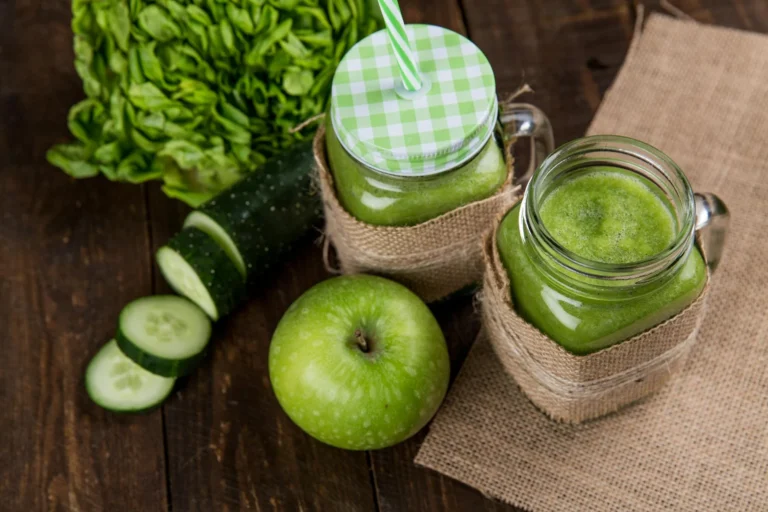
Green Goddess Detox Smoothie
Equipment
- 1 Blender
Ingredients
- 1 cup kale
- 1 cup spinach
- ¼ avocado
- ½ cucumber
- 1 cup unsweetened coconut milk
- ½ Juice of lemon
- tbsp hemp seeds
- ¼ tsp fresh ginger
- 6–8 mint leaves
- ice
Instructions
- Start with coconut milk.
- Add greens, cucumber, and avocado.
- Add the lemon, hemp seeds, ginger, and mint.
- Blend 60–90 seconds.
- Add ice and adjust thickness.
Notes
Best Ingredients for a Keto Smoothie for Diabetics
Best vs Worst Smoothie Ingredients for Diabetics
The table below highlights the best and worst smoothie ingredients for diabetics to help support stable blood sugar levels.
Choosing the right ingredients can help support more stable blood sugar levels and better overall nutrition.
| Category | Best Choices (Blood Sugar Friendly) | Worst Choices (May Spike Blood Sugar) |
|---|---|---|
| Liquid Base | Unsweetened almond milk, coconut milk, cashew milk, water | Fruit juice, sweetened plant milks, flavored dairy milk |
| Fruits | Strawberries, raspberries, blueberries (small portions), lemon | Bananas, mangoes, pineapple, grapes |
| Sweeteners | Stevia, monk fruit, erythritol | Honey, maple syrup, agave, table sugar |
| Protein Sources | Whey isolate, collagen peptides, unsweetened Greek yogurt | Sweetened protein powders, flavored yogurts with added sugar |
| Fats | Avocado, chia seeds, flaxseeds, MCT oil, natural nut butters | Sweetened nut butters, hydrogenated oils |
| Vegetables | Spinach, kale, cucumber, cauliflower, celery | Beets, carrots (large amounts), sweetened veggie blends |
| Flavor Boosters | Cinnamon, cocoa powder, vanilla extract, ginger, mint | Chocolate syrups, flavored creamers, sugar-based add-ins |
For more low-carb options, explore our diabetic smoothie recipes guide for additional blood sugar-friendly ideas.
To build a keto smoothie for diabetics that supports stable blood sugar, keep these ingredients stocked at home:
Low-Carb Liquid Bases
Unsweetened almond milk
Coconut milk
Cashew milk
Filtered water
Healthy Fats
Avocado
MCT oil
Chia seeds & flaxseeds
Natural nut butters
Heavy cream (optional)
Protein Options
Whey protein isolate
Collagen peptides
Greek yogurt (low-carb varieties)
Hemp protein
Low-Carb Vegetables
Kale
Spinach
Cucumber
Celery
Cauliflower rice (great texture booster)
Low-Sugar Fruits
Berries (strawberries, raspberries, blueberries)
Lemon or lime juice for flavor
Flavor Enhancers
Unsweetened cocoa
Cinnamon
Vanilla extract
Mint
Fresh ginger
These ingredients make it easy to mix and match new Keto Smoothie for Diabetics recipes all week long.
Tips for Making the Perfect Keto Smoothie
To keep your smoothie both delicious and blood-sugar-friendly:
Track carbs to stay within your daily keto or low-carb goals.
Test your blood sugar 1–2 hours after drinking to see how you react.
Include a source of fat for fullness and better glucose control.
Use frozen ingredients for a thicker texture without adding carbs.
Prepare smoothie freezer packs for fast weekday breakfasts.
Common Mistakes When Making a Keto Smoothie for Diabetics
Avoid these pitfalls that may cause unexpected glucose spikes:
Using too much fruit
Choosing sweetened protein powders
Skipping healthy fats
Forgetting to adjust insulin (if insulin-dependent)
Overusing high-carb ingredients like flavored yogurt or milk alternatives with added sugar
FAQs
The experience below is based on what I’ve learned after living with Type 1 diabetes for more than 25 years and using keto smoothies as part of my own diabetes management.
My Experience Using Keto Smoothies with Type 1 Diabetes
I’ve lived with Type 1 diabetes for more than 25 years, and one thing I’ve learned is that no smoothie works the same for everyone. What matters most is how your own blood sugar responds to the ingredients and portion sizes.
When I first started making smoothies, I found that recipes with bananas or larger amounts of fruit often raised my blood sugar more than I wanted. Over time, I switched to berries, avocado, plain Greek yogurt, unsweetened almond milk, and chia or flaxseed. I also found that adding enough protein helped me stay full longer and often resulted in steadier glucose trends.
Using a Dexcom CGM has made it much easier to see what works. Instead of guessing, I can review my glucose trend after a smoothie and make small adjustments, whether that’s reducing the fruit, adding more protein, or changing the portion size.
My go-to recipe combines unsweetened almond milk, plain Greek yogurt, vanilla protein powder, spinach, strawberries, chia seeds, ground flaxseed, avocado, cinnamon, and a little vanilla extract. It gives me a good balance of protein, fiber, and healthy fats while fitting well into my diabetes meal plan.
Everyone responds differently to food, so use these recipes as a starting point. Monitor your blood sugar or CGM trends after trying a new smoothie and adjust the ingredients to find what works best for you.
Final Thoughts on Keto Smoothies for Diabetes Management
A well-balanced keto smoothie for diabetics can be a convenient way to add protein, healthy fats, and fiber while keeping carbohydrates in check. Start with whole-food ingredients, monitor your blood sugar or CGM trends, and adjust recipes based on your individual response.
Small changes—such as choosing berries instead of bananas, using unsweetened almond milk, or increasing protein—can make a meaningful difference over time. While a single smoothie won’t determine your long-term blood sugar control, our A1C Calculator can help estimate how your average blood glucose relates to your A1C using the ADAG formula. Combined with regular medical care and a balanced eating pattern, keto smoothies can become a practical part of your diabetes management plan.
For even more ideas, explore our full guide to diabetic smoothie recipes to keep your smoothie routine fresh and exciting.
References
This article was medically reviewed by Dr. Seshadri G. Das, MD, and reflects current guidance from leading diabetes organizations and peer-reviewed medical literature.
The references below include the primary organizations and peer-reviewed sources used in preparing this article.
- American Diabetes Association. Standards of Care in Diabetes—2026.
https://professional.diabetes.org/standards-of-care - American Diabetes Association. Nutrition Therapy for Adults With Diabetes or Prediabetes: A Consensus Report.
https://diabetesjournals.org/care/article/42/5/731/36138/Nutrition-Therapy-for-Adults-With-Diabetes-or - Centers for Disease Control and Prevention (CDC). Diabetes and Carbohydrates.
https://www.cdc.gov/diabetes/healthy-eating/carb-counting-manage-blood-sugar.html - National Institute of Diabetes and Digestive and Kidney Diseases (NIDDK). Diabetes Diet, Eating, & Physical Activity.
https://www.niddk.nih.gov/health-information/diabetes/overview/diet-eating-physical-activity - Mayo Clinic. Diabetes Diet: Create Your Healthy-Eating Plan.
https://www.mayoclinic.org/diseases-conditions/diabetes/in-depth/diabetes-diet/art-20044295 - Cleveland Clinic. Ketogenic Diet (Keto Diet): Benefits, Risks & Food List.
https://health.clevelandclinic.org/what-is-the-keto-diet-and-should-you-try-it - Harvard T.H. Chan School of Public Health. The Nutrition Source: Carbohydrates.
https://nutritionsource.hsph.harvard.edu/carbohydrates/ - USDA FoodData Central.
https://fdc.nal.usda.gov/




Leave a Reply