
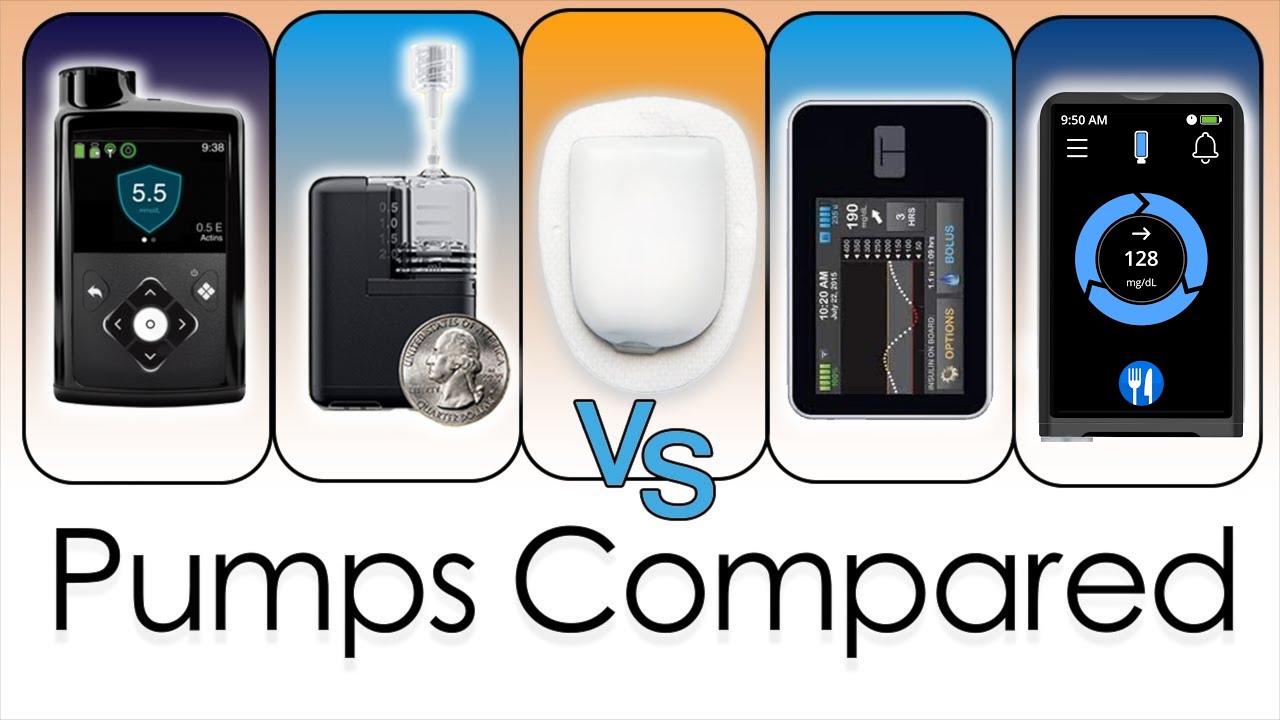
Ultimate Insulin Pump Comparison 2025: Top 10 Systems Reviewed
Choosing the right insulin pump is one of the most important decisions for individuals managing diabetes. With advancing technology and numerous options available in 2025, conducting a thorough insulin pump comparison has become essential for making an informed choice. Furthermore, this comprehensive guide examines the top 10 insulin pump systems currently available, analyzing their features, specifications, and suitability for different user needs.
Modern insulin pumps have evolved far beyond simple insulin delivery devices. Today’s systems integrate with continuous glucose monitors (CGMs), while offering smartphone control, and provide automated insulin delivery (AID) capabilities. Whether you’re new to pump therapy or considering an upgrade, understanding the differences between these systems will help you select the device that best fits your lifestyle, medical needs, and personal preferences.
Physical Specifications: Insulin Pump Comparison
| Device | Size (inches) | Weight | Waterproof Rating | Tubing |
|---|---|---|---|---|
| Tandem Mobi | 2.02 x 1.47 x 0.56 | 1.06 oz | IP28 (8 ft, 2 hrs) | 5-inch tubing |
| Tandem t:slim X2 | 3.13 x 2.0 x 0.6 | 3.95 oz | IP27 (3 ft, 30 min) | 23″, 32″, 43″ options |
| Omnipod 5 | 1.53 x 2.05 x 0.57 | 0.88 oz | IP28 (25 ft, 60 min) | Tubeless |
| Omnipod DASH | 1.53 x 2.05 x 0.57 | 0.88 oz | IP28 (25 ft, 60 min) | Tubeless |
| Medtronic 780G | 2.1 x 3.78 x 0.96 | 5.6 oz | IP22 (drip resistant) | 23″, 32″, 43″ options |
| iLet Bionic Pancreas | 2.0 x 3.6 x 0.6 | 5.0 oz | IPX7 (3 ft, 30 min) | Tubeless |
| Dana Diabecare IIS | 2.17 x 3.78 x 0.87 | 2.8 oz | IPX8 (12 ft, 60 min) | 23″, 32″, 43″ options |
| Ypsomed mylife YpsoPump | 2.0 x 3.3 x 0.7 | 2.9 oz | IPX8 (waterproof) | 23″, 32″, 43″ options |
| Accu-Chek Solo | 1.8 x 2.2 x 0.6 | 1.2 oz | IPX8 (waterproof) | Tubeless |
| Loop (DIY) | Varies by hardware | Varies | Depends on pump | Configurable |
Technical Features Comparison
| Device | Reservoir Size | Basal Rate Range | Bolus Range | Minimum Age | Battery Life |
|---|---|---|---|---|---|
| Tandem Mobi | 200 units | 0.1-15 units/hr | 0.05-25 units | 6 years | 5 days (wireless charging) |
| Tandem t:slim X2 | 300 units | 0.1-15 units/hr | 0.05-25 units | 6 years | 7 days (rechargeable) |
| Omnipod 5 | 200 units | 0.05-30 units/hr | 0.05-30 units | 2 years | 3 days (pod lifespan) |
| Omnipod DASH | 200 units | 0.05-30 units/hr | 0.05-30 units | 2 years | 3 days (pod lifespan) |
| Medtronic 780G | 300 units | 0.025-35 units/hr | 0.025-25 units | 7 years | 7 days (AA battery) |
| iLet Bionic Pancreas | 200 units | 0.05-30 units/hr | 0.05-30 units | 6 years | 3 days (rechargeable) |
| Dana Diabecare IIS | 300 units | 0.04-25 units/hr | 0.04-25 units | 2 years | 14 days (rechargeable) |
| Ypsomed mylife YpsoPump | 160 units | 0.02-25 units/hr | 0.02-25 units | 6 years | 7 days (rechargeable) |
| Accu-Chek Solo | 200 units | 0.02-25 units/hr | 0.02-25 units | 4 years | 90 days (pump base) |
| Loop (DIY) | Varies | Configurable | Configurable | User discretion | Depends on hardware |
Smart Features and Automation
| Device | CGM Integration | Smartphone Control | Automated Delivery | Auto Corrections |
|---|---|---|---|---|
| Tandem Mobi | Dexcom G6/G7 | Full control via iPhone | Control-IQ+ | Yes |
| Tandem t:slim X2 | Dexcom G6/G7 | t:connect app | Control-IQ | Yes |
| Omnipod 5 | Dexcom G6/G7 | Omnipod 5 App | SmartAdjust | Yes |
| Omnipod DASH | None | Omnipod DASH App | No | No |
| Medtronic 780G | Guardian 4 | MiniMed Mobile | SmartGuard | Yes (auto bolus) |
| iLet Bionic Pancreas | Dexcom G6/G7, Libre | Limited | Fully automated | Yes |
| Dana Diabecare IIS | Multiple CGMs | Dana APS App | Via third-party apps | With APS systems |
| Ypsomed mylife YpsoPump | Dexcom G6 | CamAPS FX App | CamAPS FX | Yes |
| Accu-Chek Solo | None (planned) | Bluetooth controller | No (planned) | No |
| Loop (DIY) | Multiple options | Full customization | Fully automated | Highly configurable |
(Source: Diabetesnet.com)
Detailed Device Reviews – Insulin Pump Comparison Guide
1. Tandem Mobi
The Tandem Mobi represents a breakthrough in insulin pump comparison studies, as well as being the world’s smallest durable automated insulin delivery system. This revolutionary device combines the proven Control-IQ+ technology, while offering unprecedented portability and smartphone integration.
Key Features:
- Smallest durable AID system available (1.06 oz)
- Wireless charging capability
- Full smartphone control with on-pump bolus button backup
- IP28 waterproof rating for swimming and water activities
- 5-inch tubing with adhesive sleeve option
Best For: Active users who prioritize discretion and smartphone integration while maintaining advanced automated insulin delivery features.
2. Tandem t:slim X2 with Control-IQ
The t:slim X2 has established itself as a leader in automated insulin delivery. Additionally, it offers the mature Control-IQ technology with a user-friendly touchscreen interface. This system predicts glucose levels 30 minutes ahead and automatically adjusts insulin delivery accordingly. Note: I switched to the Tandem t:slim X2.
Key Features:
- Touchscreen interface with intuitive navigation
- Proven Control-IQ algorithm with excellent clinical outcomes
- Remote software updates
- 300-unit reservoir capacity
- Sleep and exercise activity modes
Best For: Users seeking proven automated insulin delivery technology with a larger reservoir and established track record.
3. Omnipod 5
The Omnipod 5 revolutionized the tubeless insulin pump market by introducing the first automated insulin delivery system without tubing. Its SmartAdjust technology provides personalized glucose control while maintaining the freedom of a pod-based system.
Key Features:
- Completely tubeless design
- SmartAdjust algorithm adapts to individual patterns
- Waterproof up to 25 feet for 60 minutes
- Smartphone control with handheld controller backup
- Approved for ages 2 and up
Best For: Active individuals who want freedom from tubing while maintaining automated insulin delivery capabilities.
4. Omnipod DASH
The Omnipod DASH offers the tubeless convenience of the Omnipod system without automated insulin delivery features. It’s controlled via a touchscreen Personal Diabetes Manager (PDM) and provides reliable insulin delivery for users who prefer manual control.
Key Features:
- Tubeless, waterproof design
- Touchscreen PDM controller
- Simple insertion process
- 72-hour wear time
- No CGM integration required
Best For: Users who want tubeless convenience but don’t require or want automated insulin delivery features.
5. Medtronic MiniMed 780G
The MiniMed 780G features the most advanced SmartGuard technology from Medtronic, while offering automatic correction boluses every five minutes and meal detection capabilities. It requires the Guardian 4 sensor but provides comprehensive automated diabetes management.
Key Features:
- SmartGuard technology with auto-correction boluses
- Meal detection algorithm
- Guardian 4 sensor integration (no fingerstick calibrations)
- Glucose targets as low as 5.5 mmol/L (100 mg/dL)
- Extended infusion sets (7-day wear)
Best For: Users who want the most frequent automated adjustments and don’t mind using Medtronic’s CGM ecosystem.
6. iLet Bionic Pancreas
The iLet Bionic Pancreas represents a unique approach to automated insulin delivery, while only requiring the user’s weight to initialize. Its adaptive algorithm learns individual insulin needs without requiring traditional pump settings like insulin-to-carb ratios. The dual-hormone capability and no need to count carbs is a breakthrough in this insulin pump comparison guide.
Key Features:
- Fully automated initialization (weight-based)
- Adaptive learning algorithm
- No carb counting required for many meals
- Multiple CGM compatibility
- Dual-hormone capability (insulin and glucagon)
Best For: Users who want maximum automation with minimal setup complexity and reduced carb counting burden.
7. Dana Diabecare IIS
The Dana Diabecare IIS offers a compact, reliable insulin pump platform that’s particularly popular in DIY automated insulin delivery systems. Its open communication protocols make it compatible with various automated insulin delivery algorithms.
Key Features:
- Compact, lightweight design
- Long battery life (14 days)
- Open communication protocols
- Multiple CGM compatibility
- Customizable settings
Best For: Technically inclined users interested in DIY automated systems or those seeking a reliable, basic pump platform.
8. Ypsomed mylife YpsoPump with CamAPS FX
The mylife YpsoPump system combines Ypsomed’s intuitive pump design with the University of Cambridge’s CamAPS FX algorithm. This European system offers excellent glycemic outcomes with smartphone-based control.
Key Features:
- CamAPS FX adaptive algorithm
- Smartphone-based system control
- Companion remote monitoring
- Touchscreen pump interface
- Self-filled cartridge system
Best For: Users seeking European-developed automated insulin delivery technology with strong clinical outcomes and caregiver monitoring features.
9. Accu-Chek Solo Micropump
The Accu-Chek Solo represents Roche’s entry into the modern insulin pump market with a unique micropump design. It features a reusable pump base with disposable components and is designed for future automated insulin delivery capabilities.
Key Features:
- Micropump technology
- Reusable pump base (90-day lifespan)
- Disposable reservoir and infusion components
- Bluetooth controller
- Future AID capability planned
Best For: Users interested in innovative micropump technology and those willing to adopt newer technology platforms.
10. Loop (DIY System)
Loop represents the DIY automated insulin delivery movement, offering complete customization and control over automated insulin delivery algorithms. It requires technical expertise but provides unparalleled flexibility and advanced features.
Key Features:
- Open-source, fully customizable
- Multiple pump and CGM compatibility
- Advanced algorithm customization
- Community-driven development
- No commercial restrictions
Best For: Technically proficient users who want maximum control and customization of their automated insulin delivery system.
(Source: Danatech)
Choosing the Right System for Your Needs
When conducting your personal insulin pump comparison, consider these key factors:
For Active Lifestyles
The Omnipod 5 and Tandem Mobi excel for active users. The Omnipod 5’s tubeless design eliminates snagging concerns, while the Tandem Mobi’s compact size and wireless charging suit busy lifestyles. Both offer excellent waterproof ratings for swimming and water sports.
For Maximum Automation
The iLet Bionic Pancreas and Medtronic 780G provide the highest levels of automation. The iLet requires minimal setup and learns automatically, while the 780G offers frequent micro-adjustments and meal detection capabilities.
For Technology Enthusiasts
Loop DIY systems and the Tandem Mobi appeal to tech-savvy users. Loop offers unlimited customization, while the Tandem Mobi provides cutting-edge smartphone integration with professional support.
For Simplicity Seekers
The Omnipod DASH and Dana Diabecare IIS offer straightforward insulin delivery without complex automated features. As a result, these systems provide reliable insulin delivery with minimal learning curves.
For Young Users
The Omnipod 5 and Ypsomed mylife YpsoPump systems offer excellent options for children, with the Omnipod 5 approved from age 2 and both systems providing caregiver monitoring capabilities.
Frequently Asked Questions About Insulin Pumps
Conclusion
The landscape of insulin pump technology in 2025 offers unprecedented options for diabetes management. Furthermore, this comprehensive insulin pump comparison reveals that each system has distinct advantages suited to different user needs and preferences.
For most users seeking automated insulin delivery, the Tandem Mobi, Omnipod 5, and Medtronic 780G represent the current gold standard, while each excelling in different areas. The Tandem Mobi leads in portability and smartphone integration, while the Omnipod 5 dominates in tubeless convenience, and the Medtronic 780G provides the most frequent automated adjustments.
For users preferring simpler systems or those interested in DIY solutions, the Omnipod DASH, Dana Diabecare IIS, and Loop systems offer excellent alternatives with different levels of complexity and customization.
The emerging technologies like the iLet Bionic Pancreas and Accu-Chek Solo represent the future direction of insulin pump technology, while focusing on maximum automation and innovative delivery mechanisms.
Ultimately, the best insulin pump is the one that fits seamlessly into your lifestyle while providing the clinical outcomes you need. Consider factors such as your activity level, technical comfort, desired level of automation, and specific medical requirements when making your decision. Consult with your healthcare team to ensure your chosen system aligns with your diabetes management goals and personal preferences.
As insulin pump technology continues to evolve rapidly, staying informed about new developments and regularly reassessing your needs will help ensure you’re always using the most appropriate system for your situation.


780g VS t-slim compactors
My medtronic 780g went out of warranty this year and i had to abandon it for the t- slim insulin pump due to the medtronic not being an approved device and I have regretted it since. When getting a pump you need more info than what you get with an article like this. It gives no insight in operations, in the actual technology and how easy to do necessary tasks with it like filling the reservoirs and maintaining great results. I have experienced these first hand.
1st filling the t-slim is VERY difficult compared to the 780g it requires the reservoir, a syringe and the ability to see and hit a target on the reservoir the size of a gnats ass where as the 780g’s reservoir is the syringe. Not only is the hardware more complicated but you have to be extremely careful when inserting the needle into the resevoir and then you are never sure exactly how much insulin was injected into it.
2nd the technology is similar to the difference between a Yugo to a Lamborghini. The underlying technology with the t-slim is based on adjusting the basil rate anger the 780 is independent with the set basil rate which is only used when smartguard is off. It is proactive VS reactive technology
3rd doing a simple tasks like doing a bolus requires about 2x the clicks and filling the reservoir has individual steps for the t-slim whereas the 780g incorporates these steps. 780g is far simpler.