
Why Does Blood Sugar Rise After Exercise? Causes and What to Do
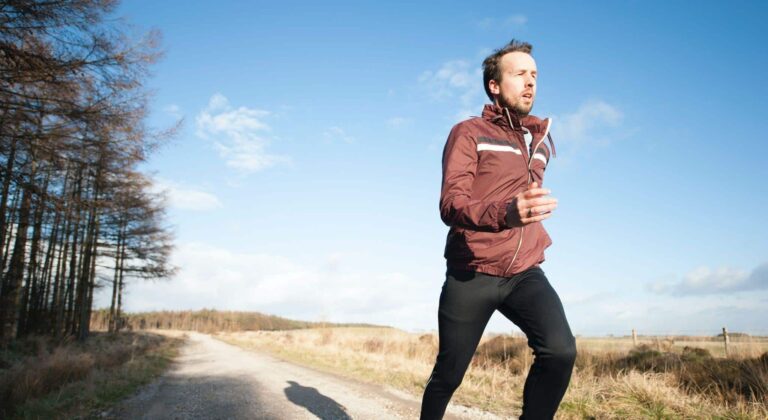
Why does blood sugar rise after exercise? Although physical activity often lowers glucose, intense exercise can temporarily raise it when stress hormones tell the liver to release more glucose into the bloodstream.
Quick Answer
Blood sugar can rise after exercise when adrenaline, cortisol, glucagon, and other counterregulatory hormones increase liver glucose output faster than working muscles use it. This is more common with HIIT, sprinting, heavy resistance training, and competitive exercise. 1
The response also depends on starting glucose, insulin levels, exercise intensity, duration, and carbohydrate intake.
Key Takeaways
- Moderate aerobic exercise often lowers glucose, but high-intensity exercise can temporarily raise it.
- Adrenaline and other hormones signal the liver to release more glucose during hard exercise.
- Sprinting, HIIT, and heavy lifting are more likely to cause a temporary glucose spike.
- People with type 1 diabetes may see larger rises when circulating insulin is too low.
- If glucose is very high and ketones are present, vigorous exercise can make hyperglycemia worse.
Why Blood Sugar Can Rise After Exercise
Working muscles need more fuel during exercise.
During moderate activity, muscles usually take up more glucose, which often lowers blood sugar. Harder exercise triggers a stronger hormonal response.
Adrenaline, glucagon, cortisol, and growth hormone help make fuel available by increasing glucose release from the liver.1
If liver glucose output temporarily exceeds the amount your muscles are using, blood sugar can rise during or shortly after exercise.
Exercise intensity can also increase lactate production, particularly during harder anaerobic activity. Lactate can be used as fuel by other tissues and can also serve as a substrate for glucose production in the liver.2
For a deeper explanation, see Lactate and Diabetes: Why This Metabolic Fuel Matters for Blood Sugar and Exercise.
Which Exercises Are Most Likely to Raise Blood Sugar?
Temporary increases are more common with short, intense, or anaerobic exercise, including:
- Heavy weightlifting
- Sprinting
- High-intensity interval training (HIIT)
- Competitive sports
- Short bursts of very hard cycling or running
The American Diabetes Association notes that activities such as sprinting and heavy resistance exercise can raise glucose, especially when starting glucose is already elevated.3
Moderate aerobic activities such as walking, steady cycling, or swimming are more likely to lower glucose because muscles use glucose steadily for fuel.
For a broader overview, see our guide to diabetes and exercise.
Type 1 vs Type 2 Diabetes
Type 1 Diabetes
Glucose responses can be especially variable with type 1 diabetes because insulin levels cannot automatically adjust during exercise.
If circulating insulin is too low while stress hormones are increasing liver glucose output, blood sugar may rise quickly.1
Contributors can include:
- Reducing insulin too much before exercise
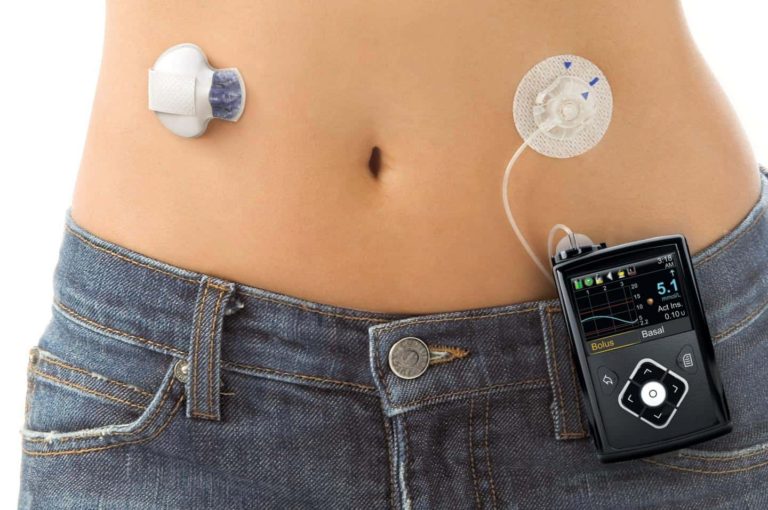
- Pump or infusion-set problems
- Excess carbohydrate before or during activity
- Starting exercise with elevated glucose
- Very intense exercise
Type 2 Diabetes
People with type 2 diabetes can also see temporary glucose increases after hard aerobic or resistance exercise.
The response depends on insulin resistance, medications, starting glucose, fitness level, workout intensity, and recent meals.
A temporary rise does not mean exercise is ineffective. Regular physical activity still improves insulin sensitivity and overall metabolic health.
How Long Can Blood Sugar Stay High After Exercise?
A mild post-workout rise is often temporary.
Glucose may begin falling as stress hormones decrease and muscles continue taking up glucose after exercise.
The duration varies based on exercise type, insulin availability, starting glucose, food intake, and individual physiology.
Glucose may also rise immediately after intense activity and fall several hours later because insulin sensitivity can remain elevated after exercise.4
That delayed effect is particularly important for people using insulin.
What Should You Do if Glucose Rises After Exercise?
A short-lived rise after vigorous exercise does not always require an immediate correction.
Instead, look at the pattern:
- How high did glucose go?
- Is it still rising or beginning to fall?
- What type of exercise did you do?
- How much active insulin is present?
- Did you recently eat carbohydrates?
- Are ketones present?
If you use insulin, be cautious about making a large correction based on a temporary post-workout spike because glucose can fall later.
CGM or glucose monitoring before and after exercise can help identify your personal response. Current ADA guidance recommends glucose monitoring around exercise for people using insulin.5
When High Blood Sugar and Exercise Can Be Dangerous
Exercise should not automatically be used to lower very high glucose.
If hyperglycemia is caused by insufficient insulin, exercise can increase stress hormones and make glucose rise further.
The ADA advises checking for ketones when glucose is above 240 mg/dL. If ketones are present, avoid exercise because activity may worsen hyperglycemia.6
Seek prompt medical guidance if high glucose is accompanied by symptoms such as:
- Moderate or high ketones
- Nausea or vomiting
- Abdominal pain
- Rapid breathing
- Severe thirst or dehydration
These can be warning signs of diabetic ketoacidosis, particularly in people with type 1 diabetes.
Does a Post-Workout Glucose Spike Mean Exercise Is Bad?
No.
A temporary rise after hard exercise does not cancel the benefits of physical activity.
Exercise can improve insulin sensitivity, cardiovascular health, muscle strength, fitness, blood pressure, and long-term glucose control.
The important point is that different forms of exercise can produce different short-term glucose responses.
Moderate aerobic exercise often lowers glucose, while intense or resistance exercise may temporarily raise it.
Look for Patterns, Not One Reading
One post-workout glucose value rarely tells the whole story.
Ask:
- Does glucose rise only after heavy lifting?
- Does HIIT cause a spike but walking lower it?
- Does glucose rise first and fall later?
- Does the response change depending on active insulin?
This is where CGM can be especially useful.
Glucose can also rise without food because the liver and hormones help regulate blood sugar throughout the day. See Why Does Blood Sugar Rise Without Eating? for the broader explanation.
Frequently Asked Questions
References
- American Diabetes Association. Exercise & Type 1 Diabetes. [↩] [↩] [↩]
- Brooks GA. Lactate as a fulcrum of metabolism. Redox Biology. 2020;35:101454. [↩]
- Colberg SR, Sigal RJ, Yardley JE, et al. Physical Activity/Exercise and Diabetes: A Position Statement of the American Diabetes Association. Diabetes Care. 2016;39(11):2065–2079. [↩] [↩]
- American Diabetes Association. Facilitating Positive Health Behaviors and Well-being to Improve Health Outcomes: Standards of Care in Diabetes—2025. Diabetes Care. 2025;48(Suppl 1). [↩] [↩]
- American Diabetes Association Professional Practice Committee. Diabetes Technology: Standards of Care in Diabetes—2026. Diabetes Care. 2026;49(Suppl 1). [↩]
- American Diabetes Association. Hyperglycemia (High Blood Glucose). American Diabetes Association. [↩] [↩]